
A wearable fitness tracker can quietly reshape daily habits, nudging someone to take the stairs, close a ring, or notice a restless night’s sleep long before it becomes a pattern. Yet the market is crowded with options spanning simple step counters to smartwatches packed with sensors most people never touch, and the right choice depends far more on lifestyle than on a spec sheet. This guide covers how to weigh the major brands, what the health features really measure, and how to pick a tracker that survives daily wear rather than ending up in a drawer within a month.
Choosing Based on the Metrics That Matter Most
Before comparing brands, it helps to get clear on which metrics matter to your goals, since fitness trackers vary widely in what they emphasize. Someone training for a race cares about pace, heart rate zones, and recovery data in a way that someone simply trying to walk more each day does not need. A person managing a health condition might prioritize continuous heart rate monitoring or blood oxygen tracking over gamified step-count badges.
Sleep tracking has become a central feature across nearly every modern tracker, using a combination of heart rate, movement, and sometimes skin temperature to estimate sleep stages. The accuracy of these estimates varies between brands and models, and none should be treated as a clinical-grade measurement, but the trend data over weeks and months tends to be more useful than any single night’s reading.
If sleep is your primary concern, look for a tracker with a comfortable enough design to wear overnight without irritation, since some watch-style trackers are bulkier and less pleasant for sleeping than a slim wristband. Heart rate accuracy differs across activity types as well. Wrist-based optical heart rate sensors, the technology used by most trackers, tend to perform well during steady-state activities like walking or running but can lose accuracy during high-intensity interval training or activities involving a lot of wrist movement, such as weightlifting or boxing.
Athletes who need precise heart rate data during intense training sometimes pair a wrist tracker with a chest strap monitor for the most demanding sessions, using the wrist device for everyday tracking and the chest strap for serious workouts. Before narrowing down a brand, it helps to rank your own priorities honestly, since no single tracker excels at everything.
- Daily activity and habit building: Look for a tracker with strong step tracking, reminders to move, and a friendly app with achievable goals.
- Serious training and performance data: Prioritize a device with detailed pace, heart rate zone, and recovery metrics built for structured workouts.
- Sleep quality above all else: Choose a comfortable, low-profile design rated for overnight wear, since bulkier smartwatches often disrupt sleep rather than track it well.
- Medical or health-condition monitoring: Focus on models with features like blood oxygen tracking or electrocardiogram support, and confirm with a doctor how useful the data will be for your situation.
- Smartwatch features alongside fitness: Consider Apple Watch or a Samsung Galaxy Watch if notifications, apps, and calls matter as much as fitness metrics.
Comparing Fitbit, Garmin, Apple Watch, and Whoop
Each major brand has carved out a distinct identity in the wearable market, and knowing these differences helps narrow the decision far faster than reading individual product pages.
- Fitbit: Known for approachable design and strong sleep and step tracking, with a social and gamified app experience that appeals to casual users building daily habits.
- Garmin: Favored by serious runners, cyclists, and multisport athletes for its detailed performance metrics, long battery life, and rugged build options suited to outdoor training.
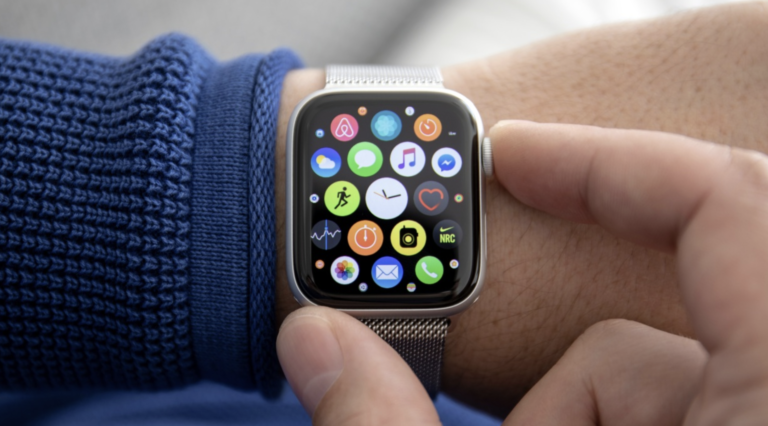
- Apple Watch: Functions as a full smartwatch first and fitness tracker second, offering deep health features and app integration exclusively for iPhone owners, with a shorter battery life than dedicated fitness brands.
- Whoop: A screenless band worn continuously, focused heavily on recovery, strain, and sleep metrics rather than a traditional watch interface, sold through a subscription model rather than a one-time purchase.
- Samsung Galaxy Watch: A strong option for Android users wanting smartwatch features alongside solid fitness tracking, though it works best paired with a Samsung or broader Android phone.
- Oura Ring: A ring-based alternative that tracks sleep, recovery, and activity from the finger rather than the wrist, appealing to people who find a watch uncomfortable for daily or overnight wear.
The right pick often comes down to phone compatibility first, since Apple Watch requires an iPhone and works with reduced functionality, if at all, alongside Android. From there, the decision narrows based on whether you want a traditional smartwatch experience, a running-focused device, or a minimalist band aimed purely at recovery and sleep.
Battery Life and Charging Realities
Battery life varies dramatically across the wearable category, and it deserves more attention than most buyers give it before purchase. A device that needs daily charging competes directly with the habit of wearing it to sleep, since a tracker on the charger overnight cannot record sleep data for that night.
Smartwatches with rich displays and app ecosystems, such as the Apple Watch and many Android-based smartwatches, typically need charging every one to two days, which forces owners into a routine of finding pockets of time, often during a morning routine or while working at a desk, to top up the battery without missing sleep tracking.
Dedicated fitness bands and running watches from Garmin and Fitbit often stretch to five days or more, and some Garmin models built for endurance athletes claim battery life measured in weeks when running in a reduced-feature mode.
- Daily chargers: Full-featured smartwatches like Apple Watch and many Android smartwatches, offering the richest app experience at the cost of frequent charging.
- Multi-day chargers: Fitness-focused bands like Fitbit and mid-range Garmin watches, balancing features with several days of use per charge.
- Week-plus chargers: Endurance-focused Garmin models and simple step trackers, sacrificing some smartwatch features for extended battery life.
- Subscription-based bands: Whoop uses a screenless design specifically to maximize battery life, since there is no display draining power throughout the day.
- Quick-charge features: Many trackers now support a short charging burst, adding a day or more of battery from just a few minutes on the charger, useful for catching a low battery before bed.
Charging habits also matter for long-term battery health. Leaving a tracker plugged in constantly, rather than charging it fully and then using it until it runs low, can gradually reduce the maximum battery capacity over years of use, similar to the pattern seen in phone batteries.
Health Features Beyond Step Counting
Modern fitness trackers have expanded well past counting steps into a range of health-adjacent features that vary in scientific rigor and usefulness. Blood oxygen monitoring, found in many higher-end trackers, estimates the percentage of oxygen carried in the blood and can offer a rough signal for conditions like sleep apnea, though it is not a substitute for a medical-grade pulse oximeter used in a clinical setting.
Electrocardiogram features, available on select Apple Watch and Fitbit models, can detect signs of irregular heart rhythms such as atrial fibrillation and have prompted some wearers to seek medical attention for conditions they were unaware of. These features are a valuable addition for people with a family history of heart issues, though they are designed as an early alert system rather than a diagnostic tool, and any concerning reading should be followed up with a healthcare provider rather than treated as a final answer.
Stress tracking, often based on heart rate variability, gives a rough daily indicator of how the body is responding to physical and mental demands, though the science behind translating heart rate variability into a single stress score is still evolving and results should be read as a general trend rather than a precise measurement. Menstrual cycle tracking has become a standard feature across most major brands, using a combination of self-reported data and physiological signals like skin temperature to estimate cycle phases, which many users find helpful for planning around energy levels and symptoms.
Fall detection, originally aimed at older adults, has become a valuable safety feature that automatically contacts emergency services if a hard fall is detected and the wearer does not respond within a set window, giving families some added reassurance for a parent or grandparent living independently. A quick summary of which features tend to carry the most real-world value helps when comparing spec sheets that list dozens of capabilities.
- Blood oxygen monitoring: Useful as a rough signal, especially for sleep-related breathing patterns, but not a replacement for a clinical pulse oximeter.
- Electrocardiogram support: Valuable for catching irregular heart rhythms early, though any alert should prompt a follow-up with a doctor rather than self-diagnosis.
- Stress and heart rate variability scores: Best treated as a general trend over weeks rather than a precise daily measurement.
- Menstrual cycle tracking: Helpful for planning around energy and symptom patterns, combining self-reported data with physiological signals like skin temperature.
- Fall detection: A valuable safety net for older adults living alone, automatically alerting emergency contacts or services after a hard, unresponsive fall.
Comfort, Durability, and Everyday Wear
A fitness tracker only delivers value if it stays on the wrist, and comfort often determines whether a device becomes a permanent habit or an expensive drawer occupant after a few weeks.
Band material makes a real difference here. Silicone bands are common, affordable, and water-resistant, but some people develop skin irritation with prolonged wear, especially in humid climates or during intense sweating. Woven nylon or fabric bands breathe better for sensitive skin but can absorb odor over time and typically need more frequent washing.
- Silicone bands: Affordable and water-resistant, though prone to trapping moisture and occasionally causing irritation with extended wear.
- Woven fabric bands: Breathable and comfortable for sensitive skin, though they absorb sweat and odor more readily than silicone.
- Metal bands: Durable and stylish for everyday wear, though heavier and less ideal for intense workouts or sleep tracking.
- Ring-style trackers: Minimal and unobtrusive for sleep, though limited in display features and often pricier relative to their size.
- Chest strap monitors: Not worn continuously, but offer the most accurate heart rate data for serious training sessions.
Water resistance ratings matter for anyone who swims, showers with the tracker on, or simply lives in a rainy climate. Most modern trackers handle everyday water exposure like handwashing or rain, but dedicated swim tracking requires a device specifically rated for continuous submersion, and even then, saltwater exposure at the ocean can degrade certain bands and sensors faster than fresh water.
Checking a specific model’s water resistance rating, rather than assuming all trackers handle swimming equally, avoids a costly mistake for anyone planning to wear a tracker in the pool.
Getting the Most from Your Data
Owning a fitness tracker is only half the value; the other half comes from how the data gets used day to day. Most trackers pair with a companion app that displays trends over time, and spending a few minutes each week reviewing this data, rather than glancing at a single day’s numbers, reveals patterns that a single reading cannot show. A week of poor sleep followed by a noticeably lower recovery score, for instance, tells a more useful story than either metric alone.
Setting realistic goals within the app matters more than chasing an arbitrary universal number like ten thousand steps, a figure that originated from a decades-old marketing campaign rather than any specific health research. A goal tailored to your starting point and gradually increased over weeks tends to sustain motivation better than an ambitious target set on day one that quickly starts to feel discouraging.
Sharing data with a healthcare provider has become easier as more trackers offer exportable reports or direct integration with health record systems. For someone managing a chronic condition or working with a doctor on a specific health goal, bringing months of heart rate, sleep, or activity trends to an appointment can add useful context that a single office visit measurement cannot capture. It is worth asking your provider whether they find this kind of data useful before assuming it will change how they approach your care.
Comparing week-over-week and month-over-month trends inside the companion app, rather than checking the numbers only once in a while, tends to build the strongest habit loop. Many apps also let you set custom alerts, such as a notification if resting heart rate climbs well above its usual baseline, which can flag an oncoming illness or overtraining before it becomes obvious through symptoms alone.
Finally, resist the urge to buy a new tracker every year chasing marginal feature upgrades. Most core metrics, steps, heart rate, and sleep, have matured to the point where year-over-year improvements are incremental rather than transformative, and a tracker purchased two or three years ago likely still serves its core purpose well, provided the battery has not degraded a great deal.
Final Thoughts
Choosing a wearable fitness tracker comes down to matching the device’s strengths to your daily habits rather than picking the model with the longest feature list. Runners and athletes tend to gravitate toward Garmin, casual users often prefer Fitbit’s approachable design, iPhone owners get the deepest integration from Apple Watch, and those focused purely on recovery may prefer Whoop’s screenless approach.
Comfort and battery life matter as much as any health metric, since a tracker left in a drawer provides no value at all. Pick a device you will wear every day, review the trends it collects rather than obsessing over single readings, and treat any health alert as a prompt to consult a professional rather than a diagnosis in itself. Give any new tracker a few weeks before judging whether it fits your routine, since the biggest gains come from consistent daily wear rather than the specific brand printed on the box.
Frequently Asked Questions
Which fitness tracker brand is best for a beginner?
Fitbit is often recommended for beginners because of its approachable app, gentle gamification, and solid all-around tracking of steps, sleep, and heart rate without overwhelming a new user with advanced training metrics.
Do I need a chest strap if I already wear a fitness tracker?
Only if you need precise heart rate data during high-intensity training. Wrist-based sensors work well for everyday activities but can lose accuracy during activities with heavy wrist movement or very intense intervals.
Is Whoop worth the subscription cost compared to a one-time purchase tracker?
It depends on your priorities. Whoop focuses specifically on recovery and strain metrics valued by serious athletes, but the ongoing subscription cost may not suit someone who wants basic step and sleep tracking without an added monthly fee.
Can a fitness tracker replace a doctor’s diagnosis?
No. Features like heart rhythm alerts and blood oxygen estimates are useful early signals but are not medical-grade diagnostic tools. Any concerning reading should be followed up with a healthcare provider rather than treated as a final answer.
How long do fitness trackers typically last before needing replacement?
Most trackers remain functional for several years, though battery capacity gradually declines with age, similar to a phone. Software support and app updates from the manufacturer also tend to taper off after a few years, which can be a reason to upgrade even if the hardware still works.
Should I choose a smartwatch or a dedicated fitness band?
A smartwatch like Apple Watch or a Samsung Galaxy Watch suits someone who wants notifications, apps, and fitness tracking combined, while a dedicated band from Garmin, Fitbit, or Whoop better suits someone prioritizing battery life and focused health metrics over a full smartwatch experience.