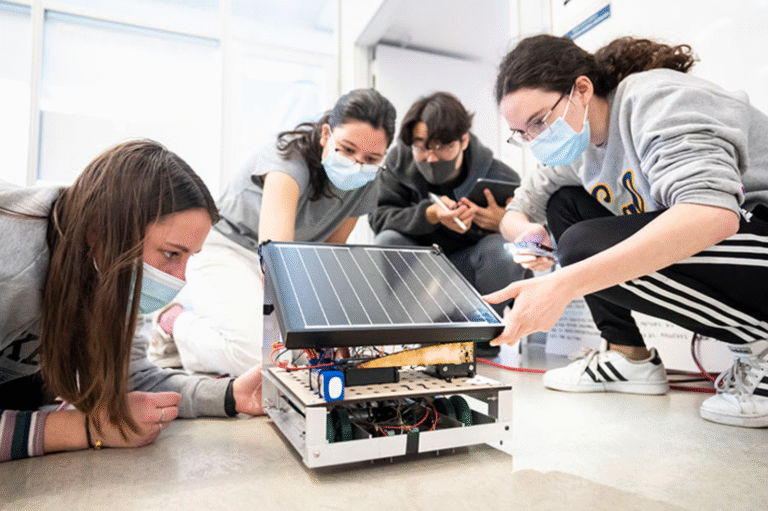

Higher education represents the steppingstone between academic learning and professional life. It broadens intellectual horizons, nurtures specialized skills, and opens doors to countless global opportunities. In a world defined by rapid change, technology, and cultural exchange, understanding your higher education options, career paths, and international opportunities is the key to building a successful and meaningful future.
What Higher Education Means
Higher education refers to studies pursued after completing secondary school. It includes universities, colleges, and professional institutions offering advanced knowledge in specific fields. Beyond academic learning, these programs encourage independence, research skills, teamwork, and creativity, all essential for today’s careers.
Education at this level can take many forms, from traditional classroom programs to online and hybrid learning formats. Each path provides opportunities to acquire real world experience while developing a deep understanding of your chosen discipline.
Common Types of Degrees
1. Associate Degree
Usually lasting two years, an associate degree focuses on foundational skills and practical training. It’s ideal for those who want to begin working quickly or transfer into a bachelor’s program later.
2. Bachelor’s Degree
A bachelor’s degree is typically three to four years long and offers both academic depth and professional relevance. Programs like the Bachelor of Arts (BA) or Bachelor of Science (BSc) combine theoretical learning with internships, research projects, and industry exposure.
3. Master’s Degree
A master’s degree enables graduates to specialize in fields such as business administration, engineering, or social sciences. It’s often pursued to strengthen leadership skills, transition into new industries, or enhance earning potential.
4. Doctoral Degree
A doctoral qualification, such as a PhD, focuses on original research and thought leadership. Doctoral students often work closely with faculty to contribute new insights to their disciplines. Graduates pursue academic careers, high level consultancy roles, or leadership positions in research focused organizations.
5. Professional Certificates and Diplomas
With industries evolving faster than ever, short term certifications in areas like artificial intelligence, accounting, web development, and digital marketing have become highly valuable. They’re perfect for professionals looking to upgrade their skills or pivot to emerging career sectors.
Connecting Degrees to Career Opportunities
Choosing a degree is more than a box to check; it’s a strategic move toward your career aspirations. Here are a few examples of how fields connect with prospects:
- Engineering and Technology: Careers in robotics, renewable energy, and software innovation continue to dominate global demand.
- Business and Finance: Opportunities in management, investing, and entrepreneurship attract those interested in leadership and analytics.
- Health and Medicine: Nursing, biotechnology, and global health careers are expanding rapidly due to worldwide healthcare needs.
- Arts, Media, and Design: From creative writing to animation and film, these careers combine imagination with technical expertise.
- Education and Social Sciences: Teaching, counseling, and policy making are ideal for individuals passionate about creating social impact.
Employers increasingly seek multi skilled professionals who can think critically, communicate effectively, and adapt to change. A strong educational foundation helps build these versatile skills.
The Global Advantage: Studying Abroad
International education is no longer a luxury, it’s a strategic investment in global competence. Studying abroad helps students gain cultural awareness, language skills, and global perspectives that employers value.
Top destinations like the United States, Canada, the United Kingdom, Australia, and Germany attract international students with research based education systems and rich cultural diversity. Meanwhile, countries such as Singapore, the Netherlands, and South Korea are becoming popular for their English taught programs and strong job markets.
Many universities now offer scholarships, collaborative degrees, and internship programs to support global learning. Students graduate with not only a degree but also a network of international connections.
Choosing the Right Program
With so many options available, selecting the right program requires self reflection and research. Consider factors such as:
- Your long term career goals and interests
- University rankings, accreditations, and alumni networks
- Program costs and available scholarships
- Learning format and internship opportunities
Career counselors and aptitude assessments can also help align your decisions with your abilities and ambitions. Remember, success doesn’t depend on attending the most famous university it depends on choosing the one that suits you best.
Future Trends in Higher Education
The coming years will see even greater flexibility in education delivery. Online degrees, blended programs, and virtual internships are reshaping how people learn. Artificial intelligence is being integrated into classrooms, offering personalized support and adaptive learning experiences.
Sustainability, innovation, and lifelong learning are becoming the new pillars of education. Professionals are expected to continually upskill and reskill to stay relevant in evolving industries. Global partnerships between universities and industries will also continue to strengthen, ensuring that students graduate ready for tomorrow’s workforce.
The Bottom Line
Higher education is more than acquiring a diploma; it’s an exploration of ideas, cultures, and personal growth. It empowers you to shape your career, contribute to society, and discover your voice in a global context. Whether you pursue engineering in Canada, an MBA in London, or an online master’s in data science, the path you choose defines your future possibilities.
Invest in yourself, stay curious, and embrace lifelong learning as the ultimate degree for success in any corner of the world.