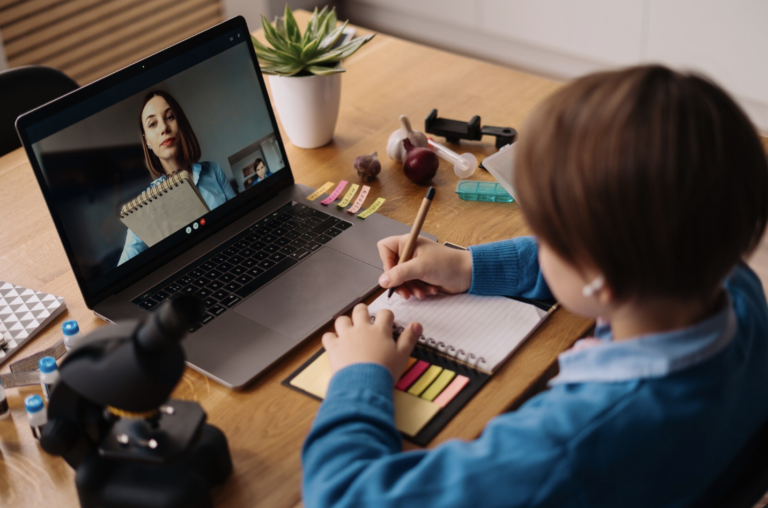

In a world where creativity and problem-solving are essential, traditional teaching methods often fall short of preparing students for real-life challenges. That’s where Project-Based Learning (PBL) comes in, a dynamic teaching approach that turns lessons into real-world experiences. Instead of memorizing facts, students learn by doing, developing skills that stick long after the final exam.
What Is Project-Based Learning (PBL)?
Project-Based Learning (PBL) is an instructional strategy where students explore complex questions, problems, or challenges through sustained inquiry and collaborative projects. Rather than receiving information passively, learners actively engage in research, critical thinking, collaboration, and presentation to create tangible results.
PBL transforms classrooms into active laboratories of discovery. Whether it’s designing an eco-friendly city model or launching a community campaign, each project integrates academic content with practical application.
Key Features of Project-Based Learning
- Student-Centered Learning:
Students take ownership of their learning journey, setting goals and exploring topics that interest them. - Inquiry and Exploration:
PBL begins with thought-provoking questions that encourage deep investigation, not shallow recall. - Real-World Relevance:
Projects are tied to authentic contexts, making learning meaningful and connected to real-world challenges. - Collaboration and Communication:
Students work in teams, mirroring professional environments and developing essential teamwork and communication skills. - Reflection and Feedback:
Ongoing reflection helps students assess their progress and refine their approaches. - Public Product:
Outcomes are shared with real audiences, through presentations, prototypes, or performances—boosting motivation and accountability.
Benefits of Project-Based Learning
- Enhances Critical Thinking: Students analyze, evaluate, and solve problems creatively.
- Builds Collaboration Skills: Peer communication promotes empathy and teamwork.
- Improves Retention: Learners remember concepts longer when they’re applied actively.
- Encourages Lifelong Learning: Curiosity and exploration become habits.
- Bridges Academic and Career Skills: PBL aligns classroom lessons with the demands of the modern workplace.
Project-Based Learning Examples
- Designing solutions for climate change through school sustainability projects.
- Developing a community gardening initiative to study biology, ecology, and civic responsibility.
- Creating digital storytelling projects that integrate language arts and media literacy.
- Building a prototype app to address local social issues while learning coding and entrepreneurship.
Implementing Project-Based Learning: Step by Step
- Start with a Driving Question:
Frame a challenging question like, “How can we reduce waste in our school?” - Plan and Research:
Guide students to gather data and propose creative solutions. - Execute the Project:
Encourage teamwork, experimentation, and innovation throughout the process. - Evaluate and Reflect:
Use rubrics, peer reviews, and self-assessment to evaluate outcomes. - Show and Share:
Students present their findings publicly, instilling pride and confidence in their work.
Challenges in PBL (and How to Overcome Them)
- Time Management: Break complex projects into smaller milestones.
- Assessment Difficulties: Combine formative and summative assessments for balanced evaluation.
- Teacher Training: Provide professional development focused on facilitation and coaching.
- Resource Constraints: Leverage community partnerships and digital tools to enrich projects.
Conclusion
Project-Based Learning (PBL) isn’t just another teaching trend; it’s a powerful transformation in how we understand education. Connecting knowledge to action empowers students to think critically, work collaboratively, and create meaningfully. In the 21st-century classroom, success isn’t measured by memorized answers; it’s measured by the impact of your ideas.