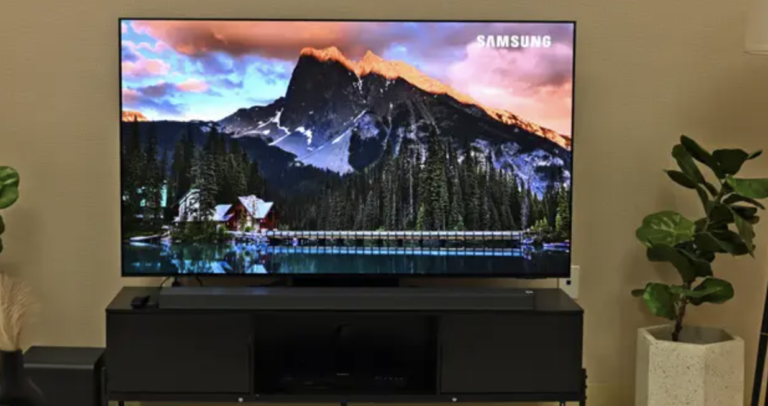

Smart TVs have redefined the way we consume digital entertainment. With their advanced connectivity, intelligent features, and seamless integration with streaming services, they offer a comprehensive solution for modern households. In this detailed guide, we explore everything about Smart TVs, helping users make informed decisions and maximize their entertainment experience.
What Is a Smart TV? A Modern Approach to Digital Entertainment
A Smart TV is a technologically advanced television equipped with an internet connection, built-in apps, and powerful processors. The integration of Wi-Fi and Ethernet support enables users to stream online content, access social media platforms, browse the web, and control smart home devices.
These devices combine traditional television capabilities with computing power, creating a centralized entertainment hub that enhances convenience and functionality.
Why Smart TVs Are Dominating the Entertainment Industry
The popularity of Smart TVs continues to surge due to their unmatched versatility. They eliminate the need for external streaming devices, provide direct access to content platforms, and offer a more immersive viewing experience thanks to enhanced display technologies.
Key advantages include:
- Built-in streaming services such as Netflix, YouTube, Disney+, and Amazon Prime Video
- Advanced voice control through virtual assistants like Alexa, Google Assistant, or Bixby
- High-definition display technologies including 4K UHD, 8K, QLED, and OLED
- Multiple connectivity options ensuring compatibility with gaming consoles, sound systems, and smart home devices
Essential Features That Define Modern Smart TVs

1. Ultra-High Definition Display Quality
Modern Smart TVs prioritize visual excellence. Depending on your budget, you can choose from:
- 4K Ultra HD for sharp clarity and vibrant visuals
- 8K resolution for unprecedented detail
- QLED panels known for brightness and color accuracy
- OLED and AMOLED panels offering deep blacks and superior contrast
These technologies deliver lifelike images that elevate the cinematic experience at home.
2. Smart Operating Systems for Seamless Navigation
Each TV manufacturer uses its own Smart OS designed for smooth performance:
- Android TV / Google TV – App-rich and highly customizable
- Samsung Tizen – Fast and intuitive with a clean interface
- LG webOS – Simple, fluid, and user-friendly
- Roku TV – Best for streaming-focused users
The operating system determines app availability, interface design, and overall usability.
3. High-Performance Processors
A Smart TV’s performance relies heavily on its processor. Modern models include:
- Quad-core processors for efficient multitasking
- AI-powered processors for image enhancement, noise reduction, and motion smoothing
These ensure lag-free streaming, fast app switching, and smooth operation even under heavy workloads.
4. Intelligent Voice Assistants and Hands-Free Control
Voice assistants have transformed how users interact with their TVs. With built-in AI tools like:
- Amazon Alexa
- Google Assistant
- Apple Siri (via AirPlay)
Users can control their TV hands-free adjust volume, open apps, search for movies, or manage connected smart home devices.
5. Seamless Connectivity and Smart Home Integration
Smart TVs are equipped with multiple connectivity options, including:
- Dual-band Wi-Fi for stable internet
- Bluetooth to connect speakers, headphones, or controllers
- HDMI and USB ports for peripherals
- Smart Home protocols that sync with devices like thermostats, lights, and security systems
This integration makes Smart TVs the central hub of modern smart homes.
Popular Smart TV Brands Leading the Market
Samsung
Offers innovative QLED and Neo QLED technologies, exceptional brightness, and the Tizen OS.
LG
Known for cutting-edge OLED displays and the highly intuitive webOS platform.
Sony
Delivers the best picture processing with the Cognitive Processor XR and Google TV integration.
TCL & Hisense
Provide budget-friendly options without compromising quality, with Roku or Google TV systems.
How Smart TVs Improve Your Entertainment Experience
Access to Unlimited Content
Streaming apps give users limitless viewing options, from movies and series to live sports and news.
Gaming Compatibility
With low input lag, high refresh rates, and HDMI 2.1 support, Smart TVs are ideal for console gaming.
Multimedia Convenience
Users can mirror screens, share photos, participate in online meetings, or browse the internet—all from the TV.
Energy Efficiency
Modern Smart TVs consume less power while delivering superior performance.
Smart TV Buying Guide: What to Look For
Choosing the right Smart TV requires careful consideration of several factors:
1. Screen Size
Select based on room size. Popular choices include 43-inch, 55-inch, 65-inch, and 75-inch variants.
2. Display Technology
OLED for premium quality, QLED for brightness, and LED for affordability.
3. Refresh Rate
Higher refresh rates (120Hz or more) ensure smoother motion, especially for gaming and sports.
4. Sound Quality
Look for Dolby Atmos, DTS:X, or built-in soundbar technologies for immersive audio.
5. Budget and Brand Reliability
Balance premium features with affordability while ensuring strong warranties and after-sales support.
Future Trends Shaping Smart TV Technology
Smart TV innovation is accelerating. Expect advancements like:
- 8K mainstream adoption
- AI-enhanced picture optimization
- Advanced Mini-LED and MicroLED displays
- Cloud gaming integration
- Improved smart home automation
- Enhanced wireless connectivity
These improvements will further enhance user experience and redefine entertainment standards.
Conclusion: Why Smart TVs Are the Future of Home Entertainment
Smart TVs provide a complete entertainment solution with cutting-edge visuals, intelligent features, and extensive connectivity. Whether for movies, gaming, or smart home management, they offer an all-in-one platform engineered for convenience and performance. As technology continues to evolve, Smart TVs will only become more powerful and immersive, making them a valuable investment for every household.