

Buying a refurbished or used phone can save a large amount of money, and it keeps working electronics out of the bin. It also carries risks that new phones do not, from worn batteries and replaced parts to locked accounts and unclear warranties.
In this article we will explore how to judge sellers, what to check before you pay, and which terms protect you if something goes wrong.
Refurbished means different things at different sellers
The word “refurbished” sounds like a technical standard, but in practice it is a marketing label that each seller fills with its own meaning. At one end, a certified retailer runs diagnostics, replaces worn parts, wipes the software and backs the result with a written warranty. At the other end, a phone is simply cleaned, reset to factory settings and listed at a slightly lower price. Both can appear under the same word on a product page, which is why the label alone tells you very little.
Condition grades add a second layer of vagueness. Retailers use terms such as “Like New,” “Excellent,” “Good” and “Average,” and a lower grade usually means more visible scratches or small dents on a phone that still works fully. The trouble is that no outside body defines these steps, so one seller’s “Good” may be another seller’s “Excellent.” A listing that explains what wear is acceptable at each level is a good sign, while vague labels with no explanation are a risk in themselves.
A sensible first step is to treat the grade as a cosmetic description only and to judge function separately. Cosmetic marks such as light scuffs on the frame rarely affect how a phone performs, so a lower grade can be a smart way to save money if you plan to use a case anyway. What you cannot afford to trade away is the hidden stuff: battery condition, lock status, replaced parts and warranty. Ask the seller directly what each grade means, what the cosmetic standard is, and which parts were replaced or left original.
Replaced parts deserve their own question. Many refurbished units contain compatible replacement parts, and that can be perfectly acceptable if the phone meets performance and safety standards. The problem arises when non-original parts are used and not disclosed, since a mismatched display or battery can affect quality, repair options and resale value later. A trustworthy seller will tell you plainly what was swapped, and a seller who avoids the question has told you something too.
Warranty and return terms matter more than the discount
When two listings for the same model differ by a small amount, the cheaper one is rarely the better deal if it comes with weaker protection. Sellers who specialize in refurbished devices typically offer a warranty that ranges from 30 days to a full year, and some advertise up to 12 months. Those figures come from the sellers themselves, so check the current terms on the product page before relying on them. Clear disclosure of warranty and returns is worth more than a small price difference, because a refurbished phone is a used machine whose weak points may only show up after a week or two of real use.
Read the return policy as carefully as the warranty, because they solve different problems. A warranty covers defects that develop later, while a return window lets you walk away if the phone turns out to be wrong for you, mismatched with the listing or locked to a carrier. One buying guide suggests that certified devices should offer at least 7 days to return, with reputable brands going up to 15 days, though that is one retailer-side opinion rather than a rule. Whatever the number is, you want it in writing before you pay, not promised by a friendly salesperson.
It also helps to know what the warranty covers in practice. Some policies cover only hardware faults and exclude accidental damage, and some require you to ship the phone at your own expense or wait for a replacement unit. Ask who handles claims, how long a repair or swap normally takes, and whether the warranty stays with the phone if you resell it. These details feel boring at checkout and become very important the first time a speaker crackles or a charging port fails.
A written warranty also protects you against the most common failure of the cheapest channel, which is a seller that simply disappears. Verifiable contact details, a physical address, a documented diagnostic process and a history of reviews all make a seller easier to hold accountable. Check reviews for the seller and for the specific model you want, since a good store can still ship a poor batch of one model. If a seller cannot or will not put its policy in writing, treat that as the answer to your question.
Battery health is the number that decides daily comfort
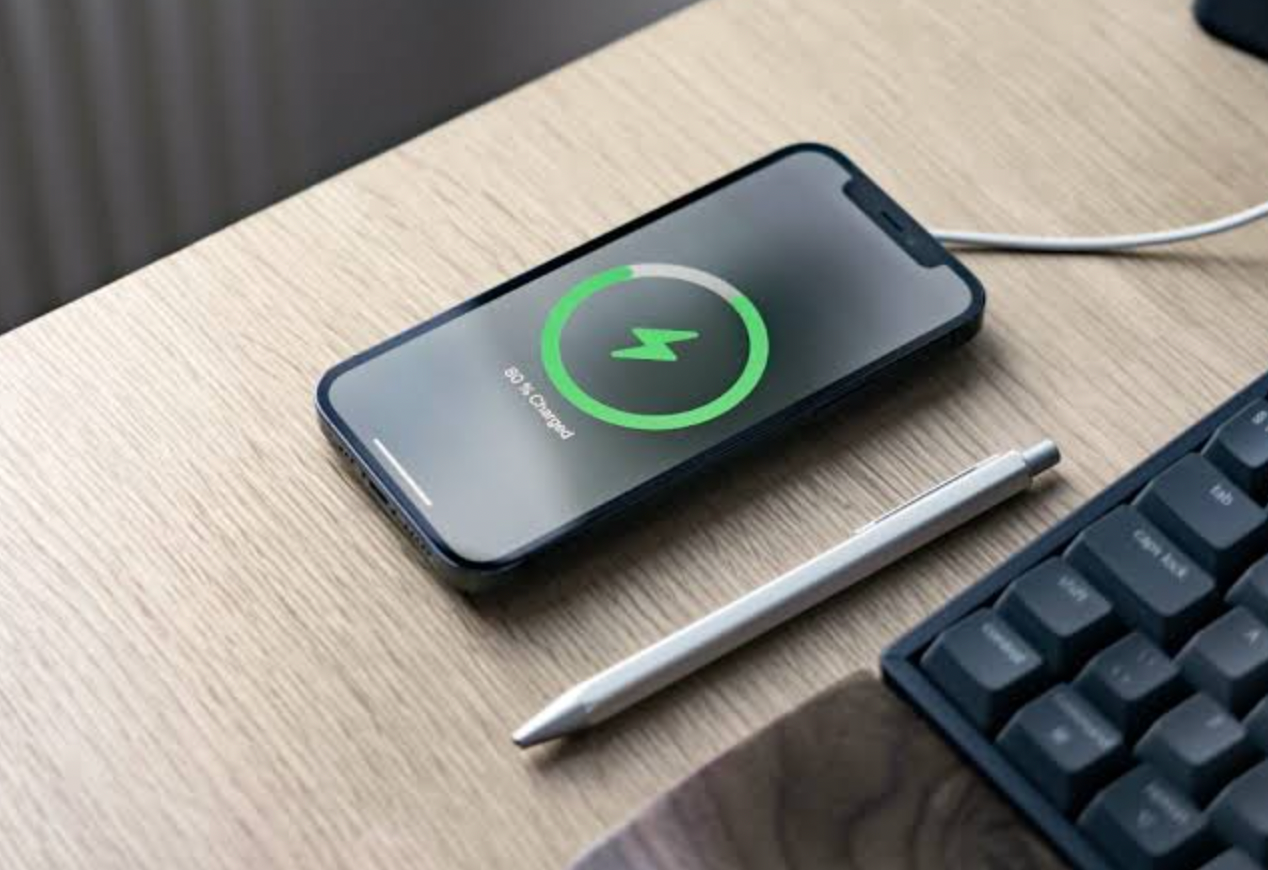
Battery wear is the quiet cost of buying used, because it shows up as more frequent charging and a phone that dies before the day does. Lower battery health does not mean the phone is defective, but it does affect daily use. For that reason it is the single figure worth asking about before you look at anything else. If a listing contains no battery information at all, ask the seller before you buy.
A common rule of thumb is to look for at least 80 percent of the original capacity. One refurbisher says every phone it sells meets a minimum of 80 percent and offers a new battery as a paid upgrade at checkout, which shows how the market has settled around that figure. Another buying guide goes further and calls 85 percent or higher acceptable, 80 to 84 percent borderline, and anything under 80 percent a sign that a replacement is coming soon. Treat these as practical guidelines from sellers and guide writers rather than official standards, but they line up well enough to be a useful target.
On an iPhone you can read the figure yourself in Settings, under Battery and then Battery Health. A seller who refuses to let you check it, or to show you the screen, is hiding information. There is a catch, though: one guide warns that some sellers alter the reading in software to mask real wear. Ask for calibrated test results from a proper battery tester instead of accepting a screenshot of the settings screen, above all on private marketplaces where nothing else backs the claim.
Think about what the number means for your own routine. A heavy user who streams video, navigates and tethers might feel the difference between 80 and 90 percent within a single afternoon, while a light user who mostly texts and browses may never notice. If you plan to keep the phone for two or three years, a replacement battery is a normal expense, so factor its cost into the comparison. A slightly pricier phone with a fresh battery can easily beat a cheaper one that needs servicing in six months.
Activation locks and blacklists can turn a bargain into a brick
The most damaging problem with a used phone is one you cannot see on the screen. A phone that is still tied to the previous owner’s account, or that has been reported lost or stolen, may work for a few days and then stop. Activation Lock on an iPhone ties the device to the previous owner’s Apple ID, and if that account is not removed, the phone is stuck at a login screen you cannot pass. Buyers should proceed only when the seller confirms that Activation Lock and iCloud accounts have been fully removed.
The way to confirm it in person is simple: erase the phone in front of the seller and watch whether it asks for a password at any point. If you are buying remotely, ask the seller to sign out of their Apple ID before shipping and to give you a screenshot or video of the process. Android phones have an equivalent protection tied to the Google account, so the same logic applies: the previous owner’s account must be fully removed from the device. A phone that is not cleanly signed out is not yours yet, no matter what you paid.
The second invisible risk is the IMEI, the unique identification number of the handset. You can display it on the phone by dialing star, pound, zero, six, pound, and then use it to check the model, storage, carrier lock status and activation status. Walk away if the model or the storage capacity does not match the listing. Also confirm that the IMEI is not blacklisted for theft or unpaid balances, since a blacklisted phone can be blocked from networks even though it powers on and looks perfect.
Carrier locks are the third piece. Check the carrier lock field in the phone’s About settings to confirm that there are no SIM restrictions, and if you are buying face to face, test with your own SIM. One scam pattern involves a phone sold as unlocked that works fine on Wi-Fi but shows limited service or fails once a SIM card is inserted. Confirming that the phone is unlocked matters most if you depend on a specific network, and it costs you nothing to check.
Screens, cameras and parts deserve a hands-on test
Once the invisible checks pass, spend ten minutes on the physical phone. Show a plain white screen and look for uneven color, backlight bleed or dead pixels. On newer iPhones, the About settings can display a message when the display is not original, which is a useful way to catch an undisclosed repair. On older models, rely on your eyes and try the screen at a few brightness levels.
Biometrics are the next test. Face ID should be tried in bright light, dim light and ordinary indoor light, and each registered fingerprint should be tested on a Touch ID phone. Any failure can point to a defect or an unauthorized repair, since replacing certain parts can break these features. Because the phone should be wiped before sale, you can set up your own face or fingerprint right there and test it from scratch.
Then check the physical connections. Plug in a charger to confirm that the port works, test both speakers and the microphone with a quick call, and try every camera including the front one. Confirm whether the charger and cable are original or third-party, because accessories vary between sellers and are easy to forget. Press every button, test the volume rocker and the silent switch, and make sure Wi-Fi, Bluetooth and mobile data all connect.
If you are buying online, you cannot do these tests before paying, so the return window becomes your testing window. Plan to run the entire checklist within the first day or two after delivery, while returning the phone is simple and nothing has been scratched or customized. Keep the packaging and any seal strips until you are sure. A shopper who delays the checks for three weeks often finds that the return window has quietly closed.
The table below puts the main checks in one place so you can run through them quickly. Print it or keep it open on your phone while you compare listings. Each row pairs a thing to verify with the sign that should make you pause.
| Check | What to look for | Red flag |
| Grade definition | Written explanation of cosmetic standard | Vague labels with no explanation |
| Battery health | About 80 percent or higher, ideally from a tester | Refusal to show it, or only a screenshot |
| Activation Lock | Erase test never asks for a password | Seller cannot sign out of the account |
| IMEI | Matches listed model and storage, not blacklisted | Mismatch, or seller resists the check |
| Carrier lock | No SIM restrictions in About settings | Works on Wi-Fi only, limited service with SIM |
| Display and parts | Even white screen, no non-original part message | Undisclosed replacement parts |
| Biometrics | Face ID or Touch ID works in every light | Any failure to register or unlock |
| Warranty and returns | Terms, coverage and claims process in writing | Verbal promises only |
One more habit helps across every channel: write down the model, storage, serial or IMEI number and the date of purchase in a note on another device or in your email. If a warranty claim or a dispute comes up later, those details speed everything along. It takes a minute and often decides whether a claim is accepted. Keep the receipt and the listing screenshots in the same place.
Where you buy changes the risks you carry
Each type of seller carries a different mix of risks, and knowing the pattern helps you choose the right checks. Certified retailers have the strongest record for consistency, but even they can fail you by leaving battery health off the listing, using vague grades, offering no verifiable address, or hiding conditional warranty terms. Their advantage is accountability, since a business with a reputation and a returns desk has something to lose. A refurbished specialist that offers warranties, clear return policies and good reviews is generally a safer starting point than a marketplace where quality is not guaranteed.
Peer-to-peer marketplaces sit at the other end. Warning signs include prices far below the market rate, reluctance to meet in person, requests for upfront payment, no return policy and sellers without any history. The low price is not a bonus in this channel but often the bait. If a deal looks too good to be true, one common explanation is that the phone is locked to a previous owner’s account.
Local market shops and phone stalls create a third kind of risk. Common problems include no written warranty, grading that is spoken instead of written, resistance to IMEI checks and undisclosed battery health. The advantage is that you can hold the phone and run the whole hands-on checklist before paying. That advantage disappears if the seller hurries you or refuses to let you insert your own SIM, so be prepared to leave.
Manufacturers and large carriers sometimes run their own refurbished programs, and those usually fall in the certified category with documented testing and written coverage. Check each program’s specific terms rather than assuming they match another brand’s. The same rules apply everywhere: a clear grade definition, a stated battery standard, proof of an unlocked and unblocked device, and a written warranty. Whoever is selling, the paperwork protects you more than the brand name does.
Software updates are a further point in favor of buying carefully. A refurbished iPhone receives the same iOS updates as a new one for as long as Apple still supports the model, so the age of the model matters more than the refurbished label. Before buying, look up whether the model you are considering is still receiving updates, because a bargain on an unsupported phone loses its value quickly. Security patches are the reason this matters, since an outdated phone can become a risk for your banking and messaging apps.
Accessories are another small cost that buyers forget. Some sellers include a charger and cable, others include only a generic cable, and some include nothing at all. Ask what is in the box before comparing prices, because a missing charger or a case you would buy anyway can shift the total. Add up the full cost, including a replacement battery if one is likely, and compare phones on that basis and not on the headline price.
Scams cluster around paying before you verify
Looking at the typical scams, one feature recurs: the buyer paid before verifying anything. That single habit is behind most of the damage, which is why the best defense is a rule rather than a gadget. Never pay for a phone before you have held it and tested it, and never transfer money remotely to a seller you cannot identify. If a seller pushes you to pay quickly, treat the pressure itself as a warning.
A few specific scams are worth recognizing. An unusually cheap iPhone may be locked to a previous Apple ID, with the seller becoming unreachable once the money is sent. A listing may show a higher model or more storage than the phone really has, which the IMEI check catches. A “refurbished” device may be nothing more than a cleaned and reset phone with no diagnostics at all, sold at a refurbished price. And some sellers adjust the battery reading in software so that serious wear looks healthy.
Paying in a traceable way adds a layer of protection, since some payment methods give you a way to dispute a charge if the phone never arrives or is not as described. Avoid methods that cannot be reversed. Keep screenshots of the listing, the seller’s messages and your receipt, so that you have evidence if you need to dispute the sale. A detailed record also helps when a warranty claim comes up months later.
Finally, be careful about the reviews you read. A page with glowing comments may be padded, and comment sections on blog posts about refurbished phones sometimes attract spam links that ask for payments. Look for specific, detailed reviews that mention the model, the battery and what happened when something went wrong. A seller’s willingness to answer a hard question in writing before the sale is often a better signal than a five-star average.
A final tip concerns timing. Prices of refurbished phones tend to move as new models arrive, and you can often find a good older model once the newest ones are announced. If you are not in a rush, compare several sellers over a week or two instead of buying the first decent listing. Patience costs nothing, and it gives you time to ask each seller your questions and compare the answers.
Conclusion
Start with how much risk you are willing to carry, because that decides the channel. If you want the least stress, buy from a certified refurbisher or a manufacturer program with a written warranty, accept a slightly higher price, and use the return window to run the full checklist. If you want the lowest price and can accept more risk, a private sale can work, but only face to face, with an IMEI check, an erase test and your own SIM in the phone before you hand over any money. Whichever route you take, never let the price outweigh missing information about the warranty, the battery or the lock status.
Next, decide which compromises you can live with. A lower cosmetic grade is usually the smartest place to save, since scratches rarely affect how a phone works and a case hides most of them. A lower battery figure is the second-best compromise, as long as you budget for a replacement. Lock status, blacklist status and warranty are not worth compromising on at all, because a failure there leaves you with a phone that is unusable or unprotected.
Before checkout, run through a short routine. Confirm the exact model, storage and grade in writing, ask for the battery figure and how it was measured, and get the warranty and return terms in writing. Confirm that the phone is unlocked, that Activation Lock is off and that the IMEI is clean. After delivery, test the screen, biometrics, charging, speakers, cameras and mobile connection immediately, and return the phone within the window if anything is off.
A refurbished phone can be an excellent purchase, giving you a recent model for much less than the new price. The savings are only real if the phone lasts, so the checklist is not a hassle but the way you protect the discount. Spend the extra half hour before you buy, and the phone should serve you for years.