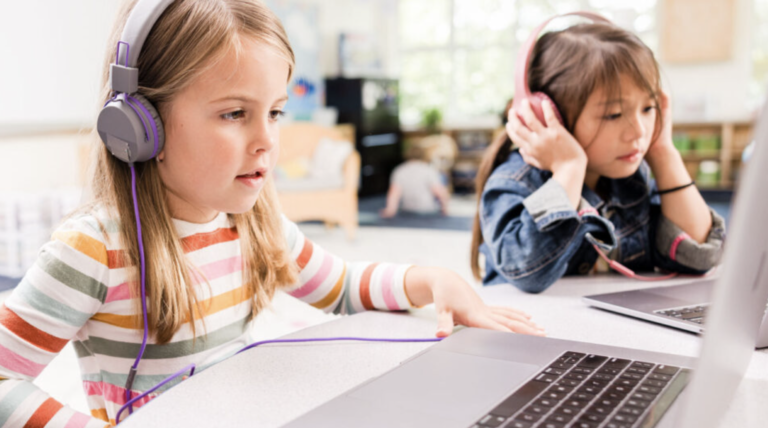

Improving student learning outcomes is essential for academic success. Schools, teachers, and parents must work together to create effective learning environments. With the right strategies, students can develop stronger skills and achieve better results.
Understanding Student Needs
Every student learns differently. Teachers should identify individual learning styles early. This helps them tailor instructions and provide relevant support. When students feel understood, they stay motivated and engaged.
Creating an Engaging Learning Environment
A positive environment boosts performance. Classrooms should be organized and distraction-free. Clear rules build structure, while interactive lessons encourage participation. When students enjoy learning, their outcomes improve quickly.
Using Technology to Enhance Learning
Modern tools play a big role in education. Digital platforms offer personalized lessons. Students can access videos, quizzes, and interactive activities anytime. Technology also helps teachers track progress efficiently and provide targeted feedback.
Encouraging Active Participation
Active learning strengthens understanding. Group discussions allow students to share ideas. Hands-on activities help them apply knowledge. When students engage in problem-solving, they develop critical thinking skills.
Setting Clear Learning Goals
Students perform better when they know what to achieve. Teachers should set simple, measurable goals. These goals guide students and help them stay focused. Regular updates keep them aware of their progress.
Offering Regular Feedback
Feedback is vital for improvement. It highlights strengths and areas to work on. Constructive comments guide students to better results. Timely feedback motivates them to put in more effort.
Supporting Students Emotionally
Emotional well-being influences learning. Teachers and parents should offer encouragement. Confidence builds when students feel supported. Stress-free learning promotes better performance.
Promoting Good Study Habits
Strong habits lead to consistent success. Students should review lessons daily. Short study sessions help them retain more information. Organizing tasks prevents last-minute pressure.
Using Assessment to Improve Learning
Assessments show how well students understand topics. Teachers can adjust lessons based on results. Regular quizzes help track learning patterns. This approach ensures steady academic growth.
Strengthening Teacher-Student Communication
Good communication improves trust. Students ask questions more confidently. Teachers can explain concepts clearly. Better communication reduces confusion and enhances learning outcomes.
Encouraging Parental Involvement
Parents play a key role in education. When they stay involved, students perform better. Home support boosts confidence and responsibility. Parents can monitor progress and help build strong learning routines.
Conclusion
Improving student learning outcomes requires consistent effort. With supportive environments, clear goals, and active participation, students can achieve academic excellence. When teachers and parents work together, students gain the tools they need to succeed.