
Samsung has consistently dominated the premium smartphone market with its Galaxy S series, offering cutting edge technology and innovative features. Each generation brings significant improvements in design, processing power, and photography capabilities. Understanding the differences between various Galaxy S models helps consumers make informed purchasing decisions based on their specific needs and budget constraints.
Evolution of Galaxy S Series Performance
The Galaxy S series has witnessed remarkable transformations in processing capabilities over the years. Current models feature Samsung’s proprietary Exynos processors or Qualcomm Snapdragon chips, depending on the region. The latest iterations boast substantial improvements in multitasking efficiency, gaming performance, and artificial intelligence processing.
Performance benchmarks reveal significant differences between standard, Plus, and Ultra variants within the same generation. The Ultra models typically incorporate enhanced RAM configurations ranging from eight to sixteen gigabytes, enabling seamless application switching and superior gaming experiences. Meanwhile, base models provide adequate performance for everyday tasks while maintaining competitive pricing.
Battery optimization has evolved dramatically across successive generations. Newer models feature adaptive power management systems that learn user habits and adjust background processes accordingly. This intelligent approach extends battery life without compromising performance during intensive tasks.
Display Technology Across Different Models
Samsung revolutionized smartphone displays with its Dynamic AMOLED technology, setting industry standards for color accuracy and brightness levels. The Galaxy S series showcases various screen sizes and refresh rates tailored to different user preferences.
Screen Size and Resolution Variations
Base Galaxy S models typically feature displays between six and six point two inches, offering comfortable one handed operation. Plus variants extend to approximately six point seven inches, providing enhanced media consumption experiences. Ultra models push boundaries with screens exceeding six point eight inches, incorporating curved edges for immersive viewing.
Resolution standards vary across the lineup, with base models offering Full HD Plus quality while premium variants deliver Quad HD Plus sharpness. The adaptive refresh rate technology adjusts between sixty and one hundred twenty hertz based on content type, balancing smooth visuals with battery conservation.
Camera Systems Comparison and Photography Excellence
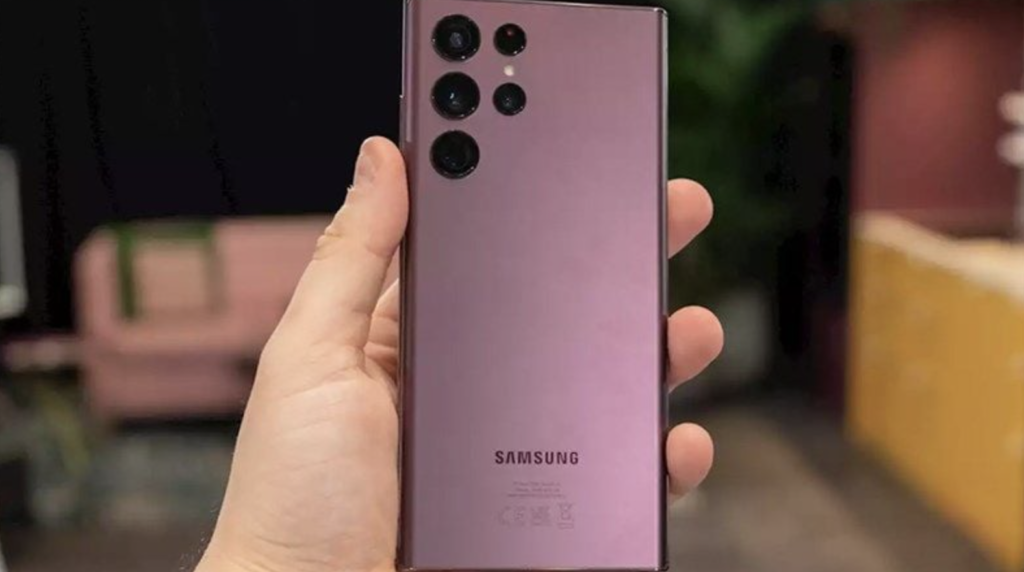
The camera department represents the most significant differentiator among Galaxy S series models. Samsung invests heavily in computational photography, sensor technology, and optical engineering to deliver professional grade results.
Primary Camera Specifications
Recent Galaxy S models incorporate high resolution main sensors ranging from fifty to two hundred megapixels. The pixel binning technology combines multiple pixels into one, producing brighter images in challenging lighting conditions. Ultra variants typically feature larger sensors with superior light-gathering capabilities compared to standard models.
Optical image stabilization has become standard across the series, with advanced variants incorporating sensor shift technology for enhanced stability during video recording. The aperture sizes vary between models, affecting low-light performance and depth of field characteristics.
Telephoto and Zoom Capabilities
Telephoto lenses distinguish premium models from their affordable counterparts. Standard Galaxy S phones may feature digital zoom or basic telephoto options, while Ultra variants incorporate periscope zoom systems enabling ten times optical magnification or higher. This technology allows users to capture distant subjects without significant quality degradation.
The Space Zoom feature available in flagship models combines optical and digital zoom technologies, reaching up to a hundred times magnification. While practical applications at maximum zoom remain limited, moderate zoom levels produce impressive results suitable for various photography scenarios.
Ultra Wide and Additional Camera Features
Ultra wide cameras maintain consistency across most Galaxy S models, typically featuring twelve megapixel sensors with approximately one hundred twenty degree field of view. These cameras excel at landscape photography and group shots in confined spaces.
Advanced models include additional sensors such as depth cameras for portrait mode enhancement and macro lenses for close up photography. The software processing algorithms differ between models, with flagship variants receiving priority updates and exclusive features.
Software Experience and Future Updates
Samsung provides comprehensive software support across its Galaxy S lineup, though update duration varies by model tier. Flagship devices receive guaranteed Android updates for four to five years, ensuring longevity and security.
The One UI interface delivers consistent experiences across all models, with customization options and feature sets adjusted according to hardware capabilities. Premium models often debut exclusive software features that eventually trickle down to more affordable variants through subsequent updates.
Conclusion and Buying Recommendations
Selecting the appropriate Galaxy S model depends on individual priorities regarding budget, camera requirements, and performance expectations. Base models offer excellent value for general users, while photography enthusiasts benefit from the Ultra variant’s advanced camera systems. Understanding these distinctions ensures optimal satisfaction with your Samsung Galaxy S investment.