

Sports are no longer just about talent and hard work. Today, data and smart analysis play a huge role in winning games, improving performance, and making better decisions. From football clubs to individual athletes, everyone is using sports analysis to gain a competitive edge.
This guide breaks down how sports analysis works, why it matters, and how you can use it in a practical way.
What is Sports Analysis?
Sports analysis is the process of collecting and studying data to understand performance, improve strategy, and predict outcomes. It combines statistics, video review, and real time tracking.
Instead of relying only on instinct, teams now use facts and numbers to guide decisions.
Key areas of sports analysis
- Performance analysis
- Tactical analysis
- Physical and fitness tracking
- Opponent analysis
Each area helps teams and players make smarter moves on and off the field.
Role of Data in Modern Sports
Data is at the core of modern sports analysis. Coaches and analysts collect large amounts of information during training and matches.
Common types of sports data
- Player movement and positioning
- Passing accuracy and shot success
- Speed, distance, and stamina levels
- Injury and recovery patterns
For example, in football, analysts track how often a player loses possession or creates chances. In basketball, data shows shooting zones and efficiency.
This data helps answer important questions:
- Which strategy works best?
- Which player needs improvement?
- How can injuries be reduced?
Strategy Development Through Analysis
Sports analysis helps teams build better strategies. Instead of guessing, coaches rely on patterns and trends.
How strategy improves with data
- Identifying opponent weaknesses
- Adjusting formations based on match situations
- Making better substitutions
- Planning set pieces effectively
A real-life example is how top football clubs study opponents before matches. If a team struggles against high pressing, coaches design tactics to exploit that weakness.
In cricket, teams analyze bowler patterns to plan scoring strategies. These small insights often decide big matches.
Performance Insights for Athletes
Athletes use sports analysis to improve their individual performance. It highlights strengths and areas that need work.
Benefits for players
- Clear performance feedback
- Personalized training plans
- Better fitness management
- Faster skill improvement
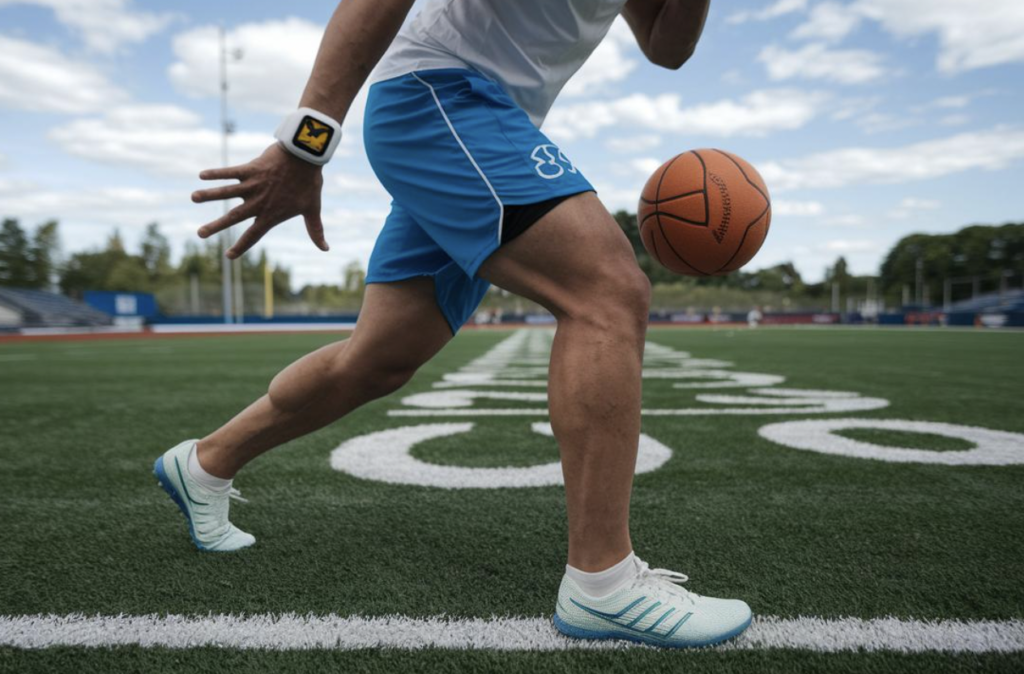
For example, a runner can track speed and stride length to improve efficiency. A tennis player can analyze serve accuracy and adjust technique.
Video analysis is also powerful. Watching gameplay helps athletes understand mistakes and improve decision making.
Tools and Technology in Sports Analysis
Technology has made sports analysis faster and more accurate.
Popular tools used today
- GPS trackers for movement tracking
- Video analysis software
- Wearable fitness devices
- AI-powered performance platforms
Many professional teams use advanced tools, but even beginners can use simple apps to track progress.
For example, fitness apps can monitor heart rate and training load, helping prevent overtraining.
Practical Tips to Start Sports Analysis
You do not need expensive tools to begin. Start simple and build gradually.
Easy ways to get started
- Record your games and review them
- Track basic stats like passes, shots, or time
- Focus on one key area for improvement
- Compare performance over time
Consistency is more important than complexity. Even small data can lead to meaningful insights.
Conclusion
Sports analysis has transformed how athletes and teams perform. It turns raw data into useful insights that improve strategy, fitness, and decision making.
Whether you are a coach, player, or sports enthusiast, understanding sports analysis can give you a real advantage. Start small, stay consistent, and use data to guide your growth.
In modern sports, those who understand the game deeply do not just play better, they think better.