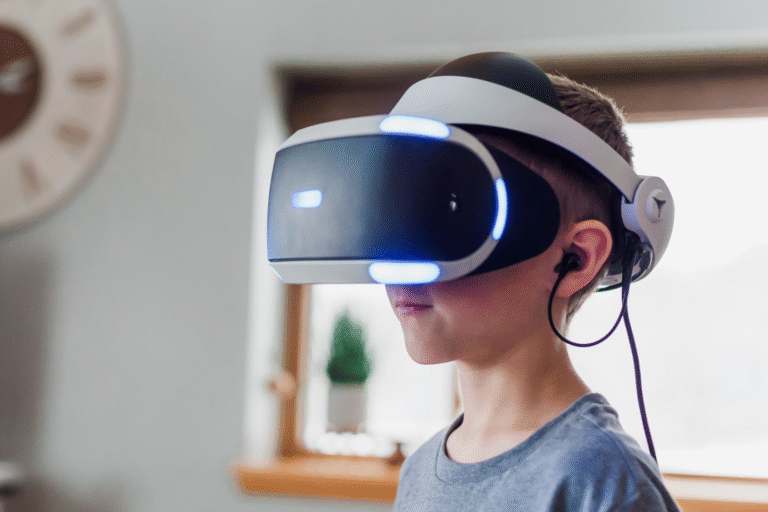

Smart glasses have evolved from futuristic concepts into practical wearable devices that people use every day. Whether you want hands-free navigation, instant translations, AI assistance, fitness tracking, or the ability to capture photos and videos without reaching for your phone, modern smart glasses are making these tasks easier.
But are they worth buying? Can they replace your smartphone? Which features actually matter?
Many first-time buyers feel overwhelmed because smart glasses come in different styles, prices, and technologies. Some are designed for entertainment, while others focus on productivity, augmented reality (AR), fitness, or AI-powered assistance. Choosing the wrong pair often leads to disappointment because expectations don’t match reality.
This Smart Glasses Guide explains everything in simple English. You’ll learn how smart glasses work, their advantages and disadvantages, important features, real-life applications, common mistakes, and practical buying advice. Whether you’re a student, traveler, business professional, content creator, or technology enthusiast, this guide will help you understand which type of smart glasses fits your needs.
What Are Smart Glasses?
Smart glasses are wearable electronic devices that look similar to traditional eyeglasses but include built-in technology. Depending on the model, they may contain cameras, microphones, speakers, touch controls, sensors, wireless connectivity, AI assistants, GPS, or augmented reality displays.
Unlike ordinary glasses that only improve vision, smart glasses provide digital features while keeping your hands free. Some models display digital information directly in front of your eyes, while others simply provide audio feedback through built-in speakers.
For example, imagine walking through an unfamiliar city. Instead of constantly checking your smartphone for directions, your smart glasses can quietly guide you while you continue walking naturally. Similarly, during a business meeting, you can take notes using voice commands without interrupting the conversation.
Not every smart glass is built the same. Basic models focus on listening to music, making phone calls, and voice assistants. Advanced models project digital images into your field of view using augmented reality technology. Premium AI-powered models can answer questions, identify objects, translate languages, summarize conversations, and even help you remember information.
As wearable technology continues to improve, smart glasses are becoming lighter, more comfortable, and more useful for everyday life.
How Smart Glasses Work
Smart glasses combine several technologies into one compact wearable device. Inside the frame are tiny processors, rechargeable batteries, microphones, speakers, wireless chips, cameras, and sensors.
Most smart glasses connect to your smartphone using Bluetooth or Wi-Fi. The phone handles many computing tasks while the glasses display information or provide audio feedback. More advanced models perform many functions independently using onboard processors.
The main components include:
Display Technology
Some smart glasses include transparent displays that project digital information onto the lens. Others don’t have visible displays and instead use voice interaction.
Camera
Many models include small cameras that capture photos or record videos from your natural point of view.
AI Assistant
Modern AI-powered glasses allow users to ask questions, receive directions, identify landmarks, translate text, and perform internet searches using voice commands.
Speakers
Open-ear speakers direct sound toward your ears without completely blocking surrounding noise, allowing safer outdoor use.
Sensors
Motion sensors, GPS, gyroscopes, accelerometers, and proximity sensors help detect movement, orientation, and user activity.
Everything works together to provide information without requiring you to constantly look down at a smartphone.
Types of Smart Glasses
Different users have different needs, so manufacturers offer several categories of smart glasses.
AI Smart Glasses
These glasses focus on voice interaction, image recognition, translation, reminders, and answering questions. They’re ideal for people who want a personal AI assistant throughout the day.
Augmented Reality (AR) Glasses
Augmented Reality glasses project digital data directly onto your view of the real environment. They’re widely used for industrial work, engineering, training, education, and immersive gaming experiences.
Audio Smart Glasses
These glasses primarily provide music playback, phone calls, podcasts, and voice assistant support through built-in speakers.
Fitness Smart Glasses
Some models include activity tracking, navigation, workout statistics, and health monitoring features for outdoor sports.
Enterprise Smart Glasses
Businesses use these glasses for remote assistance, warehouse management, manufacturing, maintenance, and medical applications.
Understanding these categories helps buyers avoid paying for features they’ll never use.
Key Features to Look for Before Buying Smart Glasses
Choosing smart glasses isn’t simply about buying the newest model. Instead, focus on features that match your daily routine.
How long your device’s battery lasts is one of the key factors to think about. If you travel often or work long hours, choose glasses that provide enough power to last throughout your day without frequent charging.
Comfort also matters. Since you’ll wear them on your face for extended periods, lightweight frames reduce pressure and improve long-term usability.
Audio quality affects calls, music, podcasts, and AI interactions. Clear microphones improve voice recognition even in noisy environments.
Camera quality is valuable if you plan to record your activities or create content. Better image stabilization and higher resolution produce more professional results.
AI capabilities differ significantly between brands. Some simply answer basic questions, while others understand context, identify objects, summarize conversations, and provide intelligent recommendations.
Privacy indicators are increasingly important. Visible recording lights help protect privacy by showing when cameras are active.
Compatibility should also be considered. Ensure the glasses work properly with your smartphone operating system and favorite applications.
Finally, evaluate software updates. Companies that regularly release updates generally provide better long-term value and improved security.
Benefits of Using Smart Glasses
Smart glasses offer much more than convenience. They improve productivity, communication, accessibility, and entertainment.
One major advantage is hands-free operation. Instead of constantly pulling out your phone, you can receive information using voice commands.
Travelers benefit from real-time navigation and language translation. Tourists can explore unfamiliar places more confidently while understanding signs, menus, and conversations.
Professionals use smart glasses to access instructions during repairs, inspections, and remote collaboration. This reduces mistakes while increasing efficiency.
Content creators appreciate first-person video recording because it captures experiences naturally.
Students can listen to educational content while walking between classes or commuting.
People with visual impairments may use AI-powered glasses to identify objects, read printed text aloud, recognize products, or receive navigation assistance.
Another benefit is improved multitasking. Instead of switching attention between devices, information becomes available while users continue focusing on their primary activity.
Limitations and Challenges of Smart Glasses
Although smart glasses continue improving, they still have limitations.
Battery life remains one of the biggest concerns. Features such as cameras, displays, AI processing, and continuous connectivity consume significant power.
Privacy concerns also exist. Some people feel uncomfortable around wearable cameras, even when recording isn’t active.
High prices make premium models inaccessible for many consumers.
Display technology is improving but still doesn’t completely replace smartphone screens for reading long documents or watching videos.
Some users experience discomfort after wearing heavier models for extended periods.
Software support varies between manufacturers. Companies that stop releasing updates can leave devices outdated sooner than expected.
Weather resistance also differs. Not every model handles rain, dust, or extreme temperatures equally well.
Understanding these trade-offs helps buyers set realistic expectations instead of expecting smart glasses to completely replace smartphones or laptops.
Real-World Applications of Smart Glasses
The usefulness of smart glasses becomes clearer when examining everyday situations.
A delivery driver can receive navigation instructions without repeatedly checking a phone, reducing distractions.
A warehouse worker quickly identifies inventory locations using digital directions displayed through AR glasses.
A doctor receives patient information during procedures while keeping both hands available for treatment.
A traveler visiting another country instantly translates restaurant menus and street signs without typing into a translation app.
An engineer performing equipment maintenance receives live guidance from remote experts wearing similar devices.
Teachers can deliver interactive lessons using augmented reality, helping students better understand complex concepts.
Content creators capture cycling trips, cooking tutorials, hiking adventures, and travel experiences from their natural viewpoint.
These examples demonstrate that smart glasses are becoming practical tools rather than novelty gadgets.
Common Mistakes People Make When Buying Smart Glasses
Many buyers purchase smart glasses based solely on advertisements instead of their actual needs.
One common mistake is paying extra for advanced AR features they’ll rarely use. Someone who simply wants music and phone calls doesn’t need expensive enterprise-level displays.
Ignoring battery life often leads to frustration, especially for travelers.
Another mistake is overlooking comfort. Glasses that feel heavy in a store may become uncomfortable after several hours.
Some buyers fail to verify compatibility with their smartphones before purchasing.
Others ignore privacy features and recording indicators, which may create uncomfortable social situations.
Reading professional reviews and user experiences before purchasing usually prevents these issues.
How to Choose the Right Smart Glasses
Start by asking yourself one question: What problem do I want these glasses to solve?
If your goal is hands-free communication, audio-focused models may be enough.
If you work in engineering, manufacturing, healthcare, or logistics, AR glasses provide more value.
Travelers benefit most from translation, navigation, and AI assistance.
Content creators should prioritize camera quality, stabilization, battery life, and storage.
Students often value lightweight designs, affordability, and voice assistants for productivity.
Also consider your budget. Spending more doesn’t always produce a better experience if the extra features aren’t relevant to your lifestyle.
Testing comfort whenever possible is equally important because fit varies significantly between brands.
Future of Smart Glasses
The future of smart glasses looks promising as artificial intelligence, augmented reality, and wearable computing continue advancing.
Future models will likely become thinner, lighter, and more powerful while offering significantly longer battery life.
AI assistants are expected to become more intelligent, interacting more naturally and improving their understanding of context. Rather than just replying to direct commands, they might anticipate your needs and offer helpful insights based on where you are and what you do every day.
Augmented reality displays will likely become brighter, sharper, and easier to view outdoors.
Improved eye tracking, gesture recognition, and spatial computing may eventually reduce reliance on smartphones for many everyday tasks.
Healthcare, education, retail, manufacturing, tourism, and remote work are all expected to adopt smart glasses more widely in the coming years.
As prices gradually decrease, smart glasses could become as common as smartwatches are today.
Practical Tips Before You Buy
Research at least three models before making a final decision.
Read both expert reviews and long-term customer feedback.
Think about how often you’ll realistically use the features.
Prioritize comfort over flashy specifications.
Choose brands with regular software updates.
Protect your investment with a quality carrying case.
Keep firmware updated for better performance and security.
Be careful and respectful with privacy settings when capturing images or footage in public spaces.
External Resource
For additional information about augmented reality technology, visit:
https://developers.google.com/ar
Conclusion
Smart glasses are no longer experimental gadgets reserved for technology enthusiasts. They have become practical wearable devices that improve communication, navigation, productivity, entertainment, and accessibility. However, choosing the right model depends on understanding your personal needs rather than buying the most expensive option.
For some users, simple audio smart glasses provide everything they need. Others benefit from advanced AI assistants or augmented reality features that improve work efficiency and learning experiences.
Take time to compare features, battery life, comfort, compatibility, and long-term software support before making a purchase. When chosen carefully, smart glasses can become a genuinely useful everyday companion that saves time, reduces distractions, and keeps important information available exactly when you need it.
Frequently Asked Questions
1. Are smart glasses worth buying?
Yes, if their features match your daily needs. They are especially useful for hands-free communication, navigation, AI assistance, and content creation.
2. Can smart glasses replace smartphones?
Not completely. Smart glasses complement smartphones by providing quick access to information, but most users still rely on phones for many tasks.
3. Do smart glasses require an internet connection?
Many features work through a connected smartphone using Bluetooth or Wi-Fi. AI services often require an internet connection.
4. Can smart glasses record videos?
Many models include built-in cameras for recording photos and videos, although features vary by manufacturer.
5. Are smart glasses safe for everyday use?
Yes. They are generally safe when used responsibly. Users should remain aware of their surroundings, especially while driving or walking.
6. How do AI smart glasses differ from AR smart glasses?
AI smart glasses emphasize voice-based help and smart functions, whereas AR smart glasses overlay digital visuals onto your view of the actual environment.
7. How long does a smart glasses battery last?
Battery life varies by model and usage. Most consumer smart glasses last between four and twelve hours on a single charge.
8. Can I wear prescription lenses with smart glasses?
Many manufacturers offer prescription lens options or compatible frames through optical partners.
9. Are smart glasses waterproof?
Some models offer water resistance, but very few are fully waterproof. Always check the manufacturer’s specifications before using them in wet conditions.
10. Who should buy smart glasses?
Smart glasses are ideal for travelers, students, professionals, remote workers, cyclists, hikers, content creators, and anyone who wants convenient hands-free access to digital information.