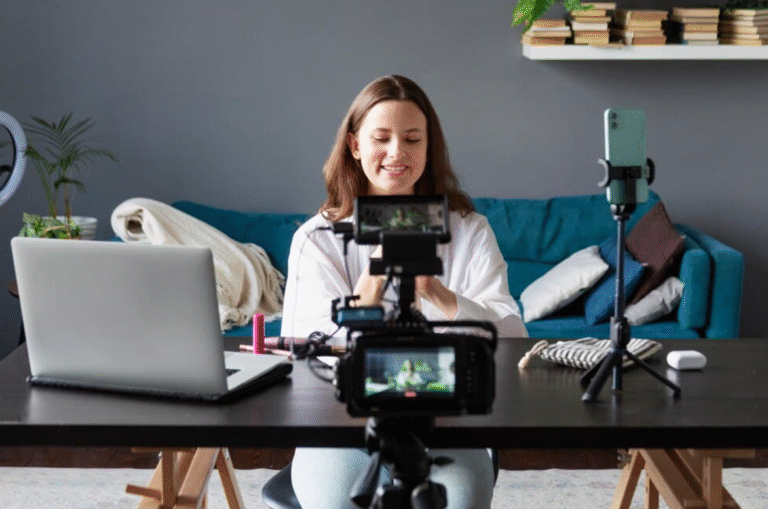

The media industry is evolving faster than ever. New technologies, changing consumer behavior, and the rapid growth of digital platforms are transforming how brands promote products and connect with audiences. In 2026, marketing and advertising are no longer limited to traditional channels like television and print. Instead, they are driven by data, artificial intelligence, and immersive digital experiences.
Media companies, advertisers, and marketers must adapt to these changes to stay competitive. Understanding the latest trends helps businesses create smarter campaigns, reach the right audience, and build stronger brand relationships.
This guide explores the most important marketing and advertising trends shaping the media industry in 2026 and how businesses can use them effectively.
The Evolution of Marketing in the Media Industry
Marketing in the media industry has moved from mass communication to highly personalized engagement. Instead of broadcasting the same message to everyone, brands now deliver customized content based on user behavior, interests, and data insights.
Artificial intelligence, advanced analytics, and digital platforms allow marketers to create campaigns that are faster, more efficient, and more relevant to consumers. Many companies now use AI for content creation, audience analysis, and campaign automation, allowing marketing teams to produce ads and analyze performance much faster than before.
As a result, marketing strategies in 2026 focus on delivering value, personalization, and seamless experiences across multiple platforms.
Key Marketing and Advertising Trends in 2026
1. AI Powered Advertising and Automation
Artificial intelligence is at the center of modern marketing strategies. AI tools help marketers analyze customer data, predict trends, and optimize advertising campaigns automatically.
Benefits of AI in marketing include:
- Faster content creation and ad testing
- Predictive audience targeting
- Automated campaign optimization
- Real time performance insights
Around 46% of marketers now use AI to scale creative production and improve advertising performance.
For example, brands can generate multiple ad versions instantly and test them with different audience segments to find the most effective message.
2. Hyper Personalization and Data Driven Marketing
Consumers expect personalized experiences. In 2026, generic advertising is becoming less effective, while personalized campaigns achieve higher engagement and conversions.
Marketers use data such as:
- Browsing behavior
- Purchase history
- Social media activity
- Location data
This information helps create tailored ads, product recommendations, and targeted promotions.
The result is a more relevant experience for customers and higher return on investment for advertisers.
3. Video First Marketing Strategy
Video continues to dominate media marketing strategies. Short form videos, streaming ads, and personalized video content are now essential parts of advertising campaigns.
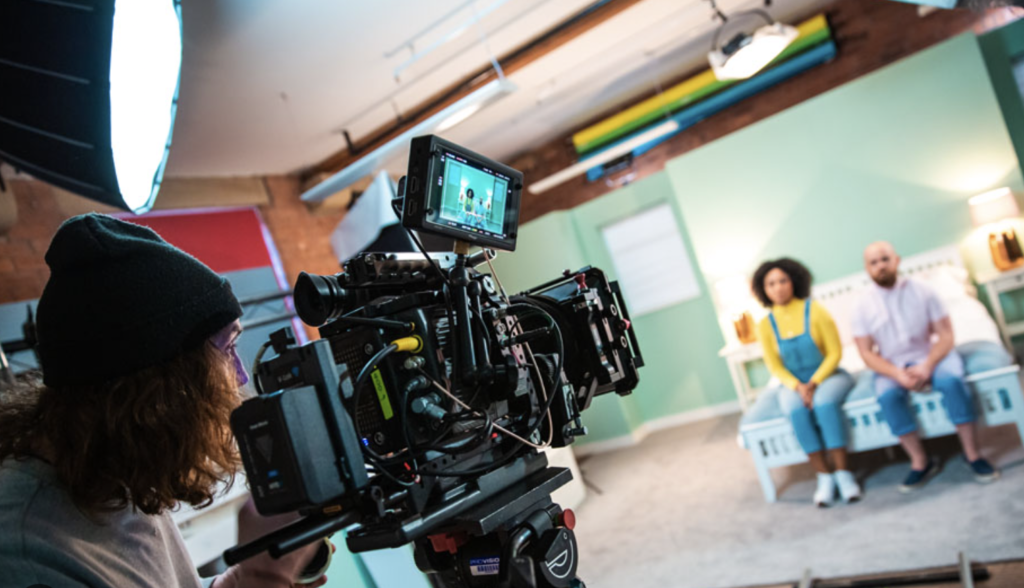
Reasons why video marketing is growing:
- Higher engagement rates
- Better storytelling opportunities
- Stronger emotional connection with audiences
- Improved social media reach
With the increasing popularity of streaming platforms and connected TV, brands are investing heavily in video advertising to capture audience attention.
4. Rise of Interactive and Immersive Advertising
Interactive content is becoming a powerful marketing tool. Technologies like augmented reality (AR) and virtual reality (VR) allow consumers to experience products before buying them.
Examples of immersive advertising include:
- Virtual product try ons
- Interactive advertisements
- Virtual showrooms
- 360 degree product experiences
Studies show that products with AR experiences can significantly increase conversion rates because customers feel more confident about their purchase decisions.
5. Omnichannel Marketing Across Multiple Platforms
Consumers now interact with brands across many different channels, including:
- Social media platforms
- Streaming services
- Mobile apps
- Gaming platforms
- Outdoor digital displays
Successful brands create integrated marketing campaigns that deliver a consistent message across all these platforms.
For example, digital billboards can connect with mobile devices to deliver personalized offers after someone sees an advertisement in public spaces.
This omnichannel approach ensures that customers experience the brand journey smoothly from awareness to purchase.
6. Influencer Marketing and Virtual Creators
Influencer marketing continues to grow, but the industry is also seeing the rise of virtual influencers and digital avatars.
These computer generated personalities are used by brands to promote products on social media and live streaming platforms. They offer unique benefits such as full creative control and consistent brand messaging.
Virtual creators are especially popular in gaming, technology, and entertainment industries.
7. Privacy Focused Advertising
As data privacy concerns grow, companies must adopt more transparent marketing practices.
Key privacy focused strategies include:
- Using first party data
- Transparent data collection policies
- Consent based advertising
- Ethical data usage
Brands that prioritize consumer privacy build stronger trust and long term relationships with their audience.
Real World Examples of Modern Media Marketing
Many leading companies are already using these trends to improve marketing performance.
Examples include:
- Streaming platforms using AI to recommend personalized content and ads
- Retail brands using AR technology for virtual product try ons
- Gaming companies integrating native advertisements inside game environments
- Social media platforms enabling direct shopping through posts and live streams
These strategies help brands create engaging experiences rather than traditional interruptive advertisements.
Practical Tips for Media Marketers in 2026
To succeed in the modern media landscape, marketers should focus on practical strategies such as:
- Invest in AI tools for marketing automation
- Use data responsibly to personalize campaigns
- Prioritize video and interactive content
- Build strong omnichannel marketing strategies
- Focus on authenticity and brand storytelling
Companies that combine technology with creativity will gain a competitive advantage in the media industry.
Conclusion
Marketing and advertising in the media industry are entering a new era driven by technology, personalization, and immersive experiences. Artificial intelligence, video content, omnichannel strategies, and privacy focused marketing are shaping how brands communicate with audiences in 2026.
Businesses that adapt to these trends can create more effective campaigns, build stronger customer relationships, and achieve better marketing results. The future of advertising is not just about promoting products, it is about delivering meaningful, engaging experiences that connect with consumers in smarter and more innovative ways.