
If you’ve ever sung into a hairbrush and imagined stadium lights on your face, you’ve already dreamed about how to become a pop star. Turning that dream into reality takes more than talent. It needs a discipline strategy and a clear step‑by‑step path you can follow over time.
Understanding What Being a Pop Star Really Means
Being a pop star means you’re a complete entertainer, not just a good singer. You’re expected to perform live, move with energy, connect with fans, and deliver strong songs again and again. You’ll face long rehearsals, late nights, and pressure to keep improving.
If you’d like to see how celebrities balance luxury comfort and style while travelling around the globe, make sure to also check out my earlier post, Celebrity Travel. How Stars Explore the World in Ultimate Style.
Myths vs Reality of Pop Stardom
A few common myths:
- Myth: You just need to get discovered.
- Reality: Most pop stars work for years before people notice.
- Myth: Talent alone is enough.
- Reality: Work ethic consistency and smart planning matter as much as talent.
- Myth: One viral video guarantees success.
- Reality: Viral moments help, but staying power comes from skills, good songs, and loyal fans.
Building a Strong Vocal Foundation
To become a pop star, you first need a reliable, flexible voice. Strong vocals keep you safe from injury and make you confident on any stage.
Basic Vocal Techniques You Must Learn
Start with these basics:
- Breathing from your diaphragm
- Warming up gently before singing
- Proper posture while standing and sitting
- Clear diction so listeners understand your words
- Simple harmonies and basic ear‑training
If you can work with a vocal coach who has real performance experience. They’ll spot issues early and help you grow faster.
Daily Practice Routine for Aspiring Singers
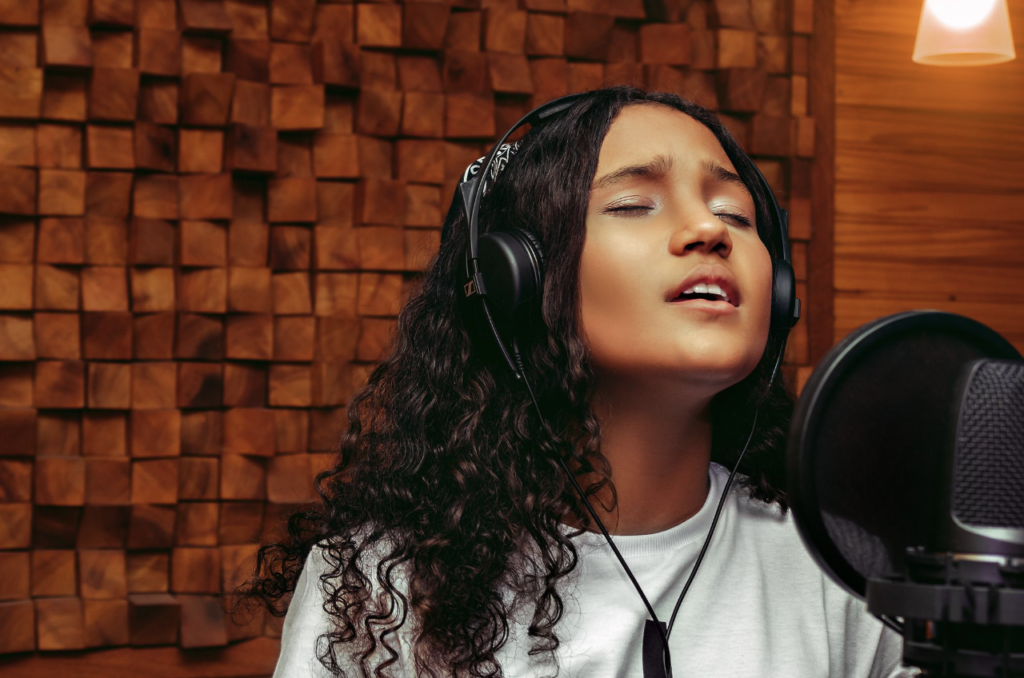
A short but consistent routine beats long sessions once a week. For example:
- 5–10 minutes: Light warm‑ups (lip trills, humming)
- 10–15 minutes: Scales and range exercises
- 10–20 minutes: Singing songs that stretch your skills
- 5 minutes: Cool‑down with gentle humming
Record yourself, often listen back, and keep notes on what to improve. It may feel awkward, but it’s one of the fastest ways to grow.
Finding and Honing Your Unique Pop Style
Pop music is huge and diverse, so you need your own flavour. This is a key part of how to become a pop star people remember.
Choosing the Right Songs for Your Voice
Pick songs that:
- Sit comfortably in your vocal range
- Match your age and life experience
- Highlight your strongest tone (bright, airy, powerful, or soulful)
Try different sub‑genres: dance‑pop, R&B‑pop, indie‑pop, or electro‑pop. Notice what feels natural and what your early listeners respond to most.
Developing Stage Presence and Confidence
Stage presence is a skill, not magic. To build it:
- Practise singing in front of a mirror
- Film short performances and review your movements
- Use your eyes: look up, not down at the floor
- Move with the rhythm, even if it’s just small steps at first
Over time, you’ll look less stiff and more like a natural performer.
Creating a Personal Brand That Stands Out
Your brand is how people recognise you at a glance or one line of lyrics.
Visual Identity: Fashion Hair and Image
Choose a look that:
- Fits your music style
- You can maintain in real life
- Feels honest to who you are
You don’t need expensive clothes. Clean, coordinated outfits and a consistent colour palette already help a lot.
Storytelling: Who Are You as an Artist?
Ask yourself:
- What did you overcome?
- What do you care about most?
- How do you want fans to feel after listening to you?
Use these answers in your social media bios, short introductions on stage, and even in your lyrics.
Songwriting and Repertoire Development
Strong pop stars either write or co‑write songs that feel personal and catchy.
Writing Lyrics That Connect With Fans
Aim for:
- Simple language with deep feeling
- Clear stories (a breakup, a win, a dream, a struggle)
- Strong, memorable hooks in the chorus
Listen to chart‑topping songs and study how verses build toward the hook.
Working With Producers and Beat‑makers
When you’re ready, collaborate with producers who:
- Understand the kind of pop you want to make
- Respect your ideas
- Have sample tracks you actually like
Bring reference tracks so they know the sound you’re going for.
Recording Your First Demo Like a Pro
Your first demo doesn’t have to be perfect, but it should show your potential clearly.
Home Studio vs Professional Studio
You can start with:
- A decent USB microphone
- Headphones
- Free or low‑cost recording software
Later, you can move to professional studios once your songs and skills improve.
Basic Recording and Editing Tips
- Warm up fully before recording
- Record several takes for each part
- Choose the best phrases from different takes
- Use light tuning and effects so your voice still sounds like you
Building an Online Presence and Fanbase
In today’s world, a big part of how to become a pop star is building a digital audience.
Social Media Strategies for Aspiring Pop Stars

Pick 1–2 main platforms and:
- Post short singing clips regularly
- Share behind‑the‑scenes moments
- Reply to comments to build a real connection
- Use relevant hashtags for your genre and location
Releasing Music on Streaming Platforms
When you have a solid song:
- Release it on major platforms using a digital distributor
- Share the story behind the song
- Encourage listeners to save and share it
Performing Live and Gaining Real‑World Experience
Live performance teaches you things you can’t learn in your bedroom.
Open Mics Showcases and Local Events
Start with:
- School events
- Community shows
- Open mics in cafés or small venues
Each show helps you test songs, practise stage presence, and meet new supporters.
How to Handle Stage Fright
Stage nerves are normal. To manage them:
- Breathe slowly and deeply before going on
- Focus on one friendly face in the crowd
- Accept that small mistakes happen and just keep going
Networking in the Music Industry
You don’t need to be fake. You just need to be respectful, curious, and reliable.
Approaching Managers, Agents, and Labels
Don’t rush. Build:
- A small catalogue of songs
- A few live videos
- Some online engagement
Then you can approach professionals with a short message, links to your best work, and a clear idea of what you’re looking for.
Building Genuine Relationships
Support other artists, share their work, and show up at events. Over time, people will remember you as someone who adds value, not just asks for favours.
Taking Care of Your Voice and Health
Your body is your instrument. Treat it well.
Vocal Health Habits for Singers
- Drink enough water every day
- Don’t scream or force high notes
- Rest your voice when it feels strained
- Get enough sleep, especially before shows
Balancing School Work and Music
Plan your week so you:
- Keep up with school or job duties
- Set fixed times for practice
- Reserve one day for rest and hobbies
Monetising Your Music Career
As you grow, you can turn your passion into income.
Multiple Income Streams for Pop Singers
You can earn from:
- Streaming and downloads
- Live shows
- Merch like shirts or posters
- Session singing or songwriting for others
Basic Business and Legal Awareness
Learn basic music rights, contracts, and how royalties work so you protect yourself and your songs.
Common Mistakes Aspiring Pop Stars Should Avoid
Shortcuts That Can Backfire
- Paying for fake followers
- Signing contracts you don’t understand
- Copying another artist’s image or sound
Learning From Feedback and Failure
Treat every no as information, not the end. Adjust, improve, and try again.
According to Wikipedia, artists like Kiesza have achieved global recognition through a combination of talent, dedication, and strategic exposure.
FAQs About Becoming a Pop Star
- How long does it usually take to become a pop star?
It often takes several years of steady practice releasing music and building an audience. Some people move faster, but long‑term effort is normal. - Do I need a record label to succeed?
Not always. Many artists start independently, grow online, and only partner with labels when they already have momentum. - Can I become a pop star if I’m shy?
Yes. Many performers are shy in daily life. Stage confidence is a separate skill you can build with practice and small performances. - Is vocal training really necessary?
It’s strongly recommended. Training protects your voice, helps you sing longer, and makes you more versatile in the studio and on stage. - How important are looks in pop music?
Image plays a role, but authenticity matters more. Listeners connect with honest, interesting artists, not just faces. - What’s the first step I should take today?
Pick one short routine: 20–30 minutes of vocal practice, record yourself singing one song, and start a simple progress journal. Consistency beats perfection.
Conclusion: Your Pop Star Journey Starts Now
Learning how to become a pop star isn’t about instant fame. It’s about building real skill, a clear identity, and strong connections with listeners. If you focus on your voice, your songs, your brand, and your health, you’ll keep moving closer to the career you imagine. Start with one small action today, keep going tomorrow, and let your progress build step by step.