
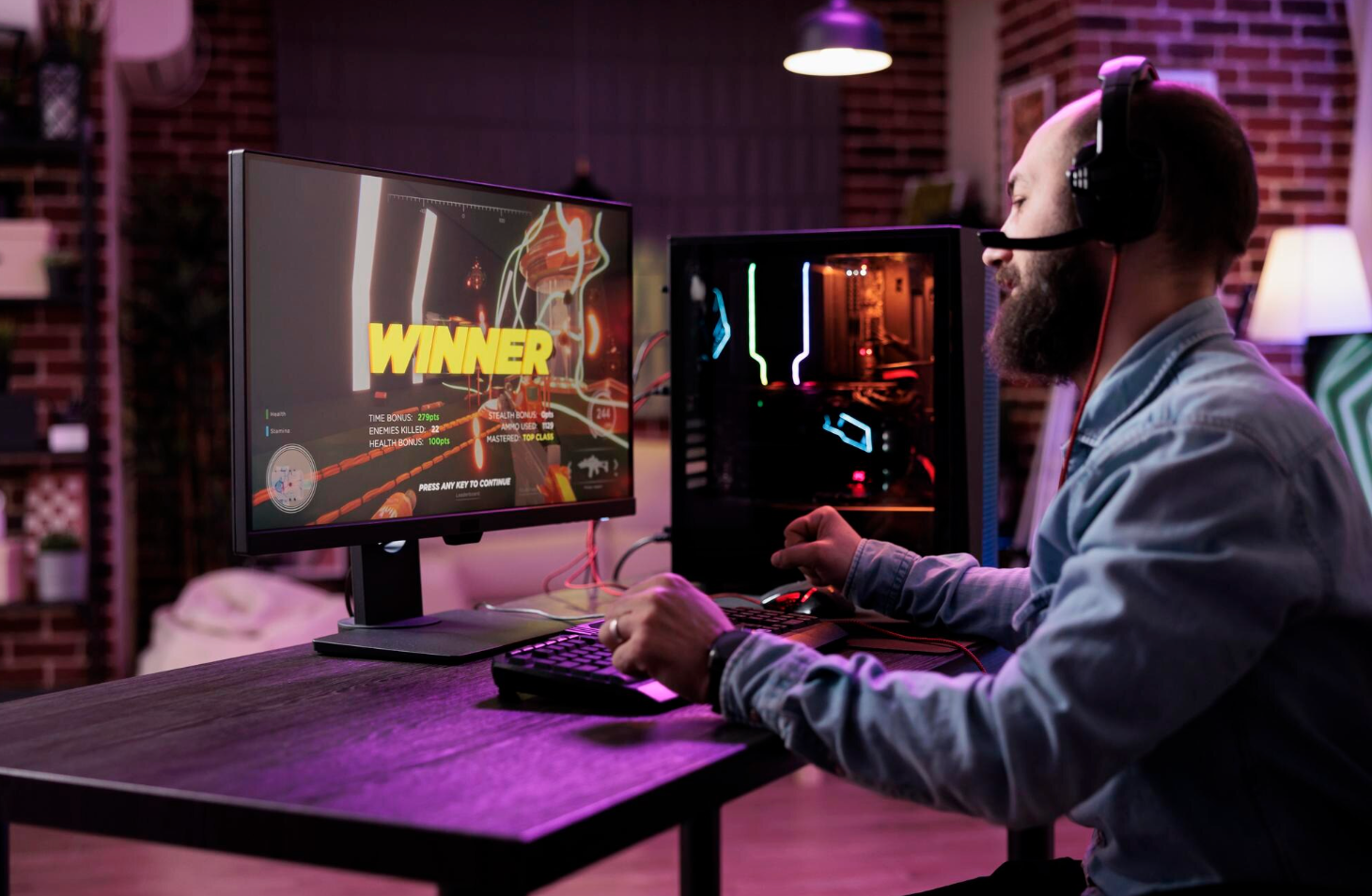
Gameplay defines how players interact with mechanics, rules, and challenges inside a game world. Strong gameplay keeps users engaged and motivated. Smart design choices, therefore, shape player satisfaction and long-term retention. Modern games rely on responsive controls and meaningful feedback loops. As a result, players stay immersed and emotionally invested.
What Makes High Quality Gameplay Experience
Great gameplay depends on clarity, balance, and consistent reward systems. Players should understand goals without confusion. Moreover, controls must feel smooth and predictable during action moments. Clear feedback also reinforces player decisions and skill growth. Consequently, users feel progress after every session.
Challenge balance matters just as much as visual quality. Easy tasks create boredom over time. Excessive difficulty, however, creates frustration and early quitting. Effective gameplay steadily increases complexity. Thus, players learn while still feeling capable.
Core Gameplay Mechanics That Drive Engagement
Gameplay mechanics form the backbone of player interaction. Movement systems define freedom and pacing first. Combat mechanics then shape tension and excitement. Resource systems also add planning and strategic depth. Therefore, each mechanic should support the main objective.
Reward mechanics push players to continue playing longer. Points, unlocks, and upgrades motivate repeated attempts. In addition, milestone rewards build momentum across sessions. Skill-based systems further increase competitive satisfaction. As a result, mastery becomes a personal goal.
Single Player vs Multiplayer Gameplay Dynamics
Single player gameplay focuses on narrative and personal progression. Story driven systems create emotional connection quickly. Players move at their own pace. Meanwhile, difficulty adapts to individual skill levels.
Multiplayer gameplay emphasizes competition and cooperation instead. Social interaction increases replay value dramatically. Teams coordinate strategies for better outcomes. Furthermore, ranking systems add long-term motivation. Shared victories also strengthen community loyalty.
Both modes succeed with strong gameplay foundations. However, each requires different balance strategies. Designers must test both environments carefully. Consequently, player expectations stay aligned with experience.
Open World Gameplay vs Linear Gameplay Design
Open world gameplay offers freedom and exploration choices. Players decide mission order independently. Side quests expand engagement time significantly. Additionally, environmental storytelling increases immersion depth.
Linear gameplay delivers tightly controlled pacing instead. Developers guide emotional highs and lows precisely. Focused paths reduce player confusion. Therefore, story delivery becomes more powerful.
Each design serves different audience preferences. Sandbox lovers prefer open exploration systems. Narrative fans often choose guided progression. Smart studios match gameplay style with target players. Hence, satisfaction rates improve.
Gameplay Controls and Responsiveness Optimization
Responsive controls directly impact gameplay quality. Input delay breaks immersion instantly. Tight control mapping increases confidence during action. Moreover, customizable controls support wider player needs.
Sensitivity settings improve aiming and movement accuracy. Accessibility options also expand audience reach. For example, remapping buttons helps disabled players. Inclusive gameplay design grows community size. Consequently, games gain better reputation.
Testing should happen across multiple devices. Different hardware produces different feel. Developers must tune performance carefully. Thus, gameplay remains consistent everywhere.
How Level Design Shapes Gameplay Flow
Level design directs player behavior without obvious force. Smart layouts guide attention naturally. Visual cues point toward objectives subtly. In addition, obstacle placement teaches mechanics gradually.
Good levels mix tension and relief moments. Fast sequences should follow slower exploration phases. Pacing variety prevents fatigue quickly. Therefore, session time increases organically.
Environmental hazards also add strategic layers. Players must observe before acting. Reactive gameplay then replaces random action. As a result, skill matters more than luck.
Gameplay Feedback Systems That Keep Players Hooked
Feedback systems confirm player actions immediately. Visual effects show impact clearly. Sound cues reinforce success or danger. Furthermore, animation responses increase realism.
Progress bars and stat screens show improvement paths. Players track growth more easily. Short feedback loops maintain motivation. Consequently, users repeat gameplay cycles willingly.
Negative feedback must stay fair and readable. Sudden punishment feels cheap and frustrating. Transparent systems build trust instead. Therefore, players accept losses constructively.
Advanced Gameplay Strategies for Competitive Players
Competitive gameplay demands precision and planning. Players should study mechanics deeply first. Practice sessions build muscle memory faster. Additionally, reviewing mistakes accelerates improvement.
Meta knowledge gives strategic advantage quickly. Understanding popular tactics helps counter them. Timing and positioning also decide outcomes often. Thus, awareness beats raw speed.
Top players analyze patterns continuously. They adjust strategies during matches. Flexible thinking wins more games. As a result, consistency replaces random success.
Future Trends in Gameplay Innovation
Gameplay innovation now focuses on player choice and adaptability. AI systems personalize difficulty in real time. Procedural systems generate fresh challenges. Moreover, cross-platform gameplay connects larger audiences.
Cloud gaming reduces hardware limits significantly. More players access complex gameplay anywhere. Virtual reality also changes interaction models. Therefore, immersion reaches new levels.
Designers now prioritize player agency strongly. Systems respond to decisions dynamically. Personalized gameplay becomes standard. Consequently, engagement depth continues to grow.