
Getting students involved in social programs can feel like an uphill battle. Between academic pressures, extracurricular activities, and personal commitments, young people today have packed schedules. Yet social programs offer invaluable opportunities for personal growth, community connection, and real world learning that classrooms alone cannot provide. The question is not whether students should participate, but how we can effectively motivate them to take that first step.
This guide walks you through practical strategies that educators, program coordinators, and community leaders can use to boost student participation in social initiatives. The methods shared here come from real experiences and proven approaches that work across different settings and student groups.
Understanding What Holds Students Back
Before jumping into solutions, we need to recognize why students hesitate to join social programs in the first place. Many young people worry about time management. Others feel uncertain about what to expect or doubt whether their contribution will make a difference. Some students simply lack awareness about available opportunities.
Financial concerns also play a role for certain families. Transportation issues, especially in rural or underserved areas, create additional barriers. When we understand these obstacles, we can design better strategies to overcome them.
Creating Awareness Through Multiple Channels
Students cannot participate in programs they do not know about. Information needs to reach them through channels they actually use.
Social media platforms remain the primary communication tool for young people. Share program details on Instagram, TikTok, and YouTube with visually appealing content. Short videos featuring past participants sharing their experiences work particularly well.

School announcements and classroom visits give you direct access to students. A five minute presentation can spark curiosity more effectively than a dozen posters on bulletin boards.
Peer to peer communication creates authentic interest. When students hear about programs from friends rather than adults, the message carries more weight.
Making Participation Accessible and Flexible
Rigid schedules kill participation before it starts. Offer multiple time slots for the same activity. Weekend options help students who have after school jobs or family responsibilities during weekdays.
Virtual participation options expand accessibility dramatically. Not every social program needs to happen in person. Hybrid models allow students to contribute from home when necessary while still attending key in person events.
Transportation should never be a deal breaker. Partner with schools to arrange group transport or coordinate carpooling among participants. Some programs successfully use ride sharing apps with parental consent.
Connecting Programs to Student Interests
Generic volunteer opportunities rarely excite anyone. Students engage when they see alignment between their passions and program goals.
A student interested in photography might jump at documenting community events. Someone who loves animals will naturally gravitate toward shelter volunteering. Tech savvy students often enjoy teaching digital skills to seniors.
Survey students about their interests before designing programs. This simple step ensures you create opportunities people actually want to join.
Building in Recognition and Incentives
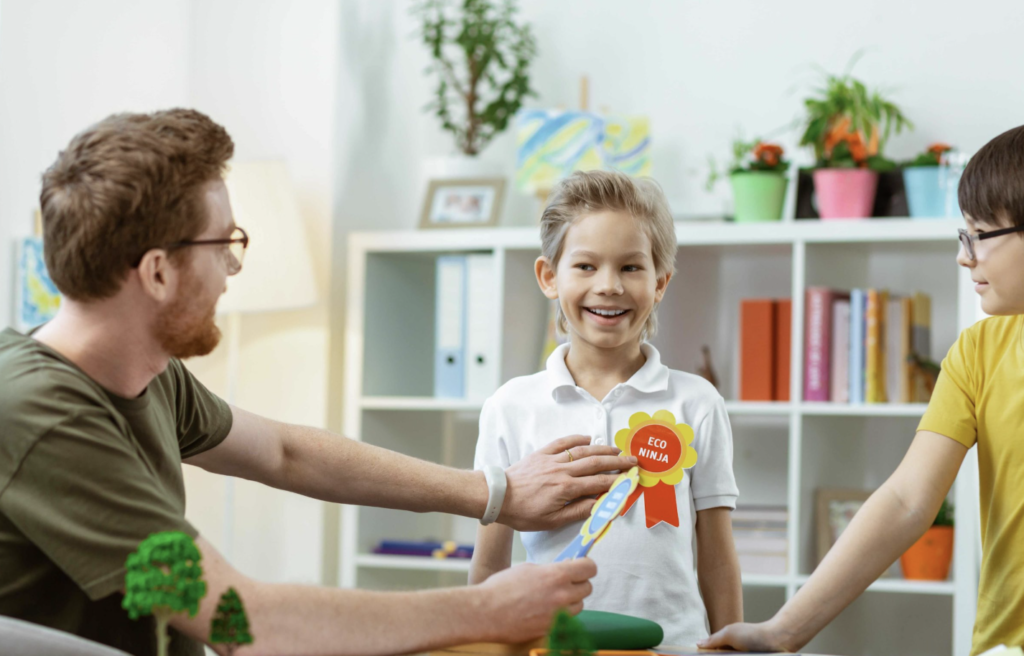
Recognition matters to young people. It validates their effort and motivates continued participation.
Certificates of completion provide tangible proof of involvement. Many students include these in college applications or job portfolios. Service hour tracking helps students who need documented volunteer time for graduation requirements or scholarship applications.
Public acknowledgment during school assemblies or social media shout outs celebrates student contributions. Feature participant stories in newsletters or on program websites.
Some schools offer academic credit for sustained social program involvement. This formal recognition elevates the importance of community service.
Creating Meaningful Experiences
Students quickly lose interest in busy work disguised as service. They want to make genuine contributions that create visible impact.
Involve students in planning stages rather than just execution. When young people help design programs, they develop ownership and commitment. Their fresh perspectives often lead to innovative approaches adults might miss.
Show the results of their work. If students cleaned a park, share before and after photos. When they tutor younger children, let them see test score improvements. Concrete evidence of impact reinforces the value of their time.
Fostering a Community Atmosphere
Participation increases when students build friendships and feel part of something bigger than themselves. Social programs should create opportunities for connection alongside service.
Team based activities naturally encourage bonding. Group reflection sessions after events help students process experiences together. Social gatherings that mix fun with purpose make participation enjoyable rather than obligatory.
Mentorship from older students helps newcomers feel welcome. A buddy system where experienced participants guide first timers reduces anxiety about joining.
Removing the Pressure
Not every student needs to commit to year round involvement. Sometimes the expectation of long term dedication prevents people from taking the first step.
Offer one time events alongside ongoing programs. A student might attend a single beach cleanup and discover they love environmental work. Short commitments with no pressure to continue give students risk free ways to explore different causes.
Drop in volunteering accommodates unpredictable schedules. Students can contribute when they have time without feeling guilty about missed sessions.
Conclusion
Encouraging student participation in social programs requires understanding, creativity, and genuine respect for young people’s time and perspectives. When we remove barriers, connect opportunities to student interests, and create meaningful experiences, participation naturally increases.
The strategies outlined here work because they treat students as partners rather than recipients of instruction. Social programs enriched by youth participation benefit everyone involved. Students gain skills, confidence, and community connections while making real differences in causes they care about. Start implementing these approaches today and watch engagement grow in ways that surprise and inspire you.