Understanding Child Centered Learning
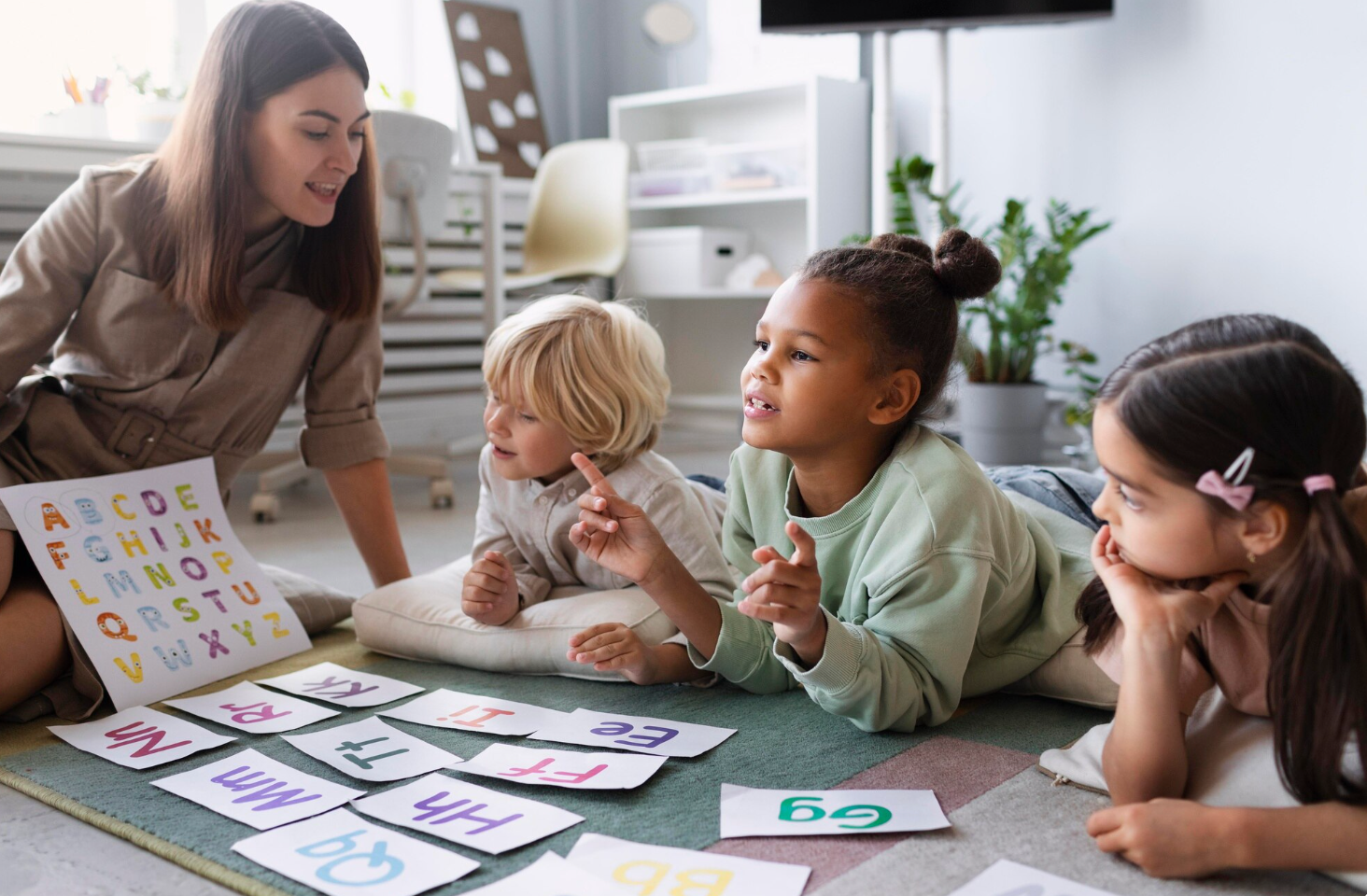
Child centered learning focuses on the individual needs and interests of each student. It encourages active participation and promotes independent thinking. Students explore topics that resonate with them, fostering curiosity and creativity. Teachers act as facilitators rather than traditional instructors, guiding students through hands-on activities. This approach builds confidence and critical thinking skills.
Benefits of Child Centered Learning
Child centered learning enhances motivation and engagement. Students develop problem solving abilities by exploring real world scenarios. Social skills improve as children collaborate in group activities. Emotional growth is supported since learners feel valued and understood. Moreover, personalized learning encourages academic success and lifelong love for learning.
Key Principles of Child Centered Education
Child-centered education revolves around several core principles:
- Learning that happens through your hands, not just your head.
- Individual Pace: Each child progresses at their own speed.
- Student Choice: Learners select topics, projects, and learning methods.
- Experiential Learning: Real life experiences enhance knowledge retention.
- Collaborative Environment: Interaction with peers encourages teamwork and communication.
Strategies to Implement Child Centered Learning
Effective strategies ensure the successful adoption of this method:
- Project-Based Learning: Engage students in meaningful projects tied to their interests.
- Inquiry-Based Approach: Encourage questions and investigations rather than rote memorization.
- Flexible Classroom Design: Arrange spaces that allow movement, collaboration, and creativity.
- Personalized Learning Plans: Adapt lessons to meet individual strengths and weaknesses.
- Reflective Practices: Include activities where students assess their learning and set goals.
Role of the Teacher in Child Centered Learning
Teachers act as guides, mentors, and facilitators. They provide resources, offer support, and observe student progress. Encouragement is key, as children need a safe space to explore ideas. Teachers adjust their methods based on feedback and classroom dynamics, ensuring every student thrives.
Challenges and Solutions
Implementing child centered learning comes with challenges. Some students may need extra guidance to stay focused. Limited resources or large class sizes can make personalized attention difficult. Teachers can overcome these by using group activities, technology tools, and differentiated instruction.
Technology in Child Centered Learning
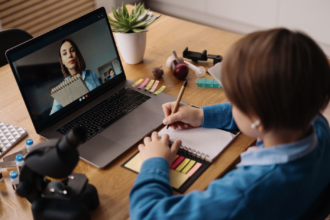
Digital tools enhance student centered experiences. Interactive apps, online projects, and virtual simulations make learning more engaging. Technology allows teachers to track progress and customize lessons. Blended learning combines traditional and digital methods for a more holistic approach.
Measuring Success in Child Centered Learning
Success is measured through participation, creativity, and problem solving skills rather than standardized tests. Observations, portfolios, and student reflections provide insight into growth. Continuous feedback ensures that students remain motivated and confident in their abilities.
Conclusion
Child centered learning transforms education by putting the student first. It nurtures curiosity, independence, and collaboration. Teachers become guides, while students become active participants in their education. This approach prepares learners for future challenges and promotes lifelong success.