

Aging is just as natural an event as far as your brain is concerned, yet modern neuroscience specialists warn that numerous myths associated with brain decline should be left behind for good. The development of your brain health continues dynamically throughout your life. In the early years, development is what counts; as you mature into your later years, stabilization and adaptation come first.
Modern researchers realized that the aging brain doesn’t merely slow down in its performance; it also reorganizes itself on a cellular level. It becomes less speedy, but more integrated. It makes use of experience. So, the aging brain grows slower, but wiser.
Physical Changes in the Brain as One Ages
Reduced Volume and Neuron Density
According to MRI imaging, brain volume steadily shrinks by roughly 5% for each decade from 40 onwards. This is not to say there is an equal reduction in functionality; particular regions, such as the prefrontal cortex and the hippocampus, are significantly affected, but not the occipital lobe.
The Impact of Synaptic Plasticity
Brain plasticity refers to the ability of the brain to remap its neural pathways based on experience. While the process of synaptic plasticity is diminished with advancing age, it does not disappear completely. Indeed, evidence suggests that adults can create new synaptic networks through learning, exercise, and cognitive engagement.
Changes in Chemistry and Functioning in the Older Brain
Neurotransmitter Ratios and Their Effects on Behavior
The neurotransmitter dopamine, which affects motivation and reward, decreases at about 10% each decade. There are also alterations in serotonin and acetylcholine levels. But, despite these changes, it is not a death sentence for cognition. The brain finds other ways to keep its mind stable.
Brain Areas Impacted by Aging
- Prefrontal Cortex: Vital for planning and decision-making; experiences slow atrophy.
- Hippocampus: Central to memory encoding; usually shrinks, but neurogenesis persists.
- Cerebellum: Involved in movement and equilibrium; retains robustness past expectations.
Learning, Memory, and Executive Control
Why We Forget: The Causes of Age-Related Forgetting
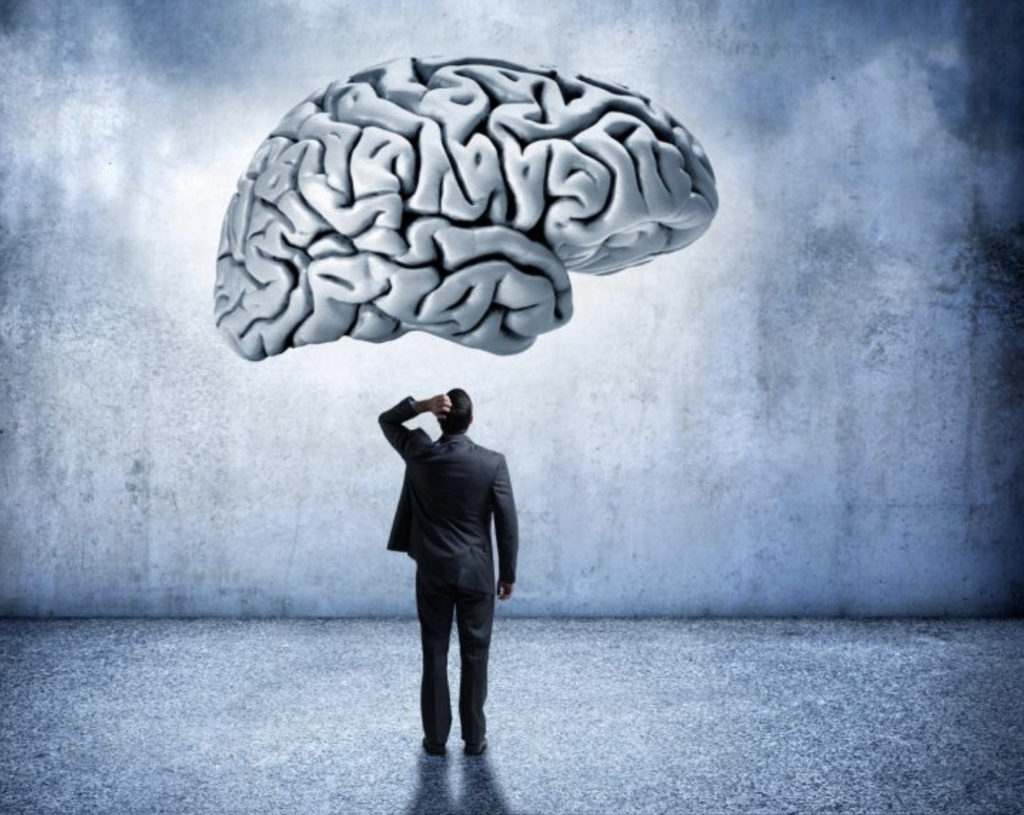
Memory deterioration typically begins with retrieval issues rather than forgetting the content itself. Older people do not forget, but remember with difficulty because of inefficient access. Factors such as stress, insomnia, and multitasking complicate the process further. However, crystallized intelligence, which involves accumulated wisdom over time, improves with age.
Cognitive Flexibility in Decision Making
Even though older individuals react more slowly, they tend to think harder. Research done by the National Institute on Aging shows that experience-filled brains make more sound and well-balanced decisions due to their ability to better integrate new information.
The Benefits of Being More Emotionally Intelligent
Why Older Individuals Perform Better in Emotional Self-Regulation
It has been proven that when people grow old, the amygdala becomes less sensitive, thus resulting in fewer emotional outbursts. It is believed that the emergence of the “positivity effect,” which consists of focusing more on positive experiences, acts as a counterbalance.
Neurogenesis and Brain Plasticity
The Unbelievable Fact of Adult Neuron Growth
Whereas adult neurogenesis was once considered impossible, it has proven to be quite common now. Learning new activities, meditating, and physical exercises can promote neuron development, improving one’s memory and emotional control even when he or she reaches seventy or eighty years old.
Healthy Lifestyle Practices for Brain Protection
Nutrition and Neuroprotection
Omega-3 fatty acids, antioxidants, and flavonoid content in foods can promote proper functioning of cells while reducing inflammation in the brain. The Mediterranean diet has been proven very helpful according to many scientific research findings.
Exercise and Brain Functioning
Through aerobic exercise, the brain receives an increase in blood flow and brain-derived neurotrophic factors that are vital for neurons. Just thirty minutes of daily brisk walking will help neurons develop and improve brain function.
Sleep and Brain Health
The sleep process acts as the brain’s cleaning mechanism, thanks to its glymphatic system, which removes all toxins. Consistent sleep deprivation raises the chances of developing dementia. Proper sleep schedules lead to improved memory and enhanced problem-solving ability.
Technology and Brain Research
Brain Scanning and the Future of Diagnosis
Technologies such as fMRI and PET scans make it possible to monitor brain processes live and precisely. They also enable us to identify early cognitive changes before their manifestation. Learn more about brain scanning techniques from Wikipedia.
Myths About Aging and Intelligence
It’s Not All About Speed: Wisdom as Efficient Cognition
While young brains tend to think fast, older ones rely on efficient cognition through years of experience-based intuition and knowledge. Thus, older people gain insight, not slowness.
Future Prospects: Hope for the Aging Brain
Thanks to discoveries in neuroscience, the story of brain aging can be rewritten completely. The brain is still plastic and flexible enough, and its capacity can be enhanced. Good lifestyle choices and emotional well-being, combined with constant learning, can lead to lifelong cognitive health.
Conclusion
The process of brain aging should be considered evolutionary, not degenerative. Neuroscience professionals are unanimous in their opinion that our brain transforms, not weakens. Keeping our brains vital and healthy with proper care can help us succeed at all stages of our lives.
FAQs
1. Do adults generate new brain cells?
Absolutely! Neurogenesis keeps happening throughout our lives, and in particular, in the hippocampus. Exercise, learning, and meditation stimulate neuron production.
2. Is memory deterioration an expected symptom of aging?
Minor memory lapses may be, but severe memory loss is not considered “normal.” Cognitive exercises, proper nutrition, and sufficient rest prevent cognitive decline to a great extent.
3. Does stress speed up aging?
Constant stress causes higher concentrations of cortisol in the body, which harms brain cells in the hippocampus. Stress management allows one to retain good memories and a positive mood.
4. Which foods promote brain activity?
Nutrition rich in omega-3, polyphenols, and antioxidants (salmon, blueberries, green tea) protects nerve cells from oxidative stress and facilitates the transmission of nerve impulses between synapses.
5. Why is physical activity beneficial for my brain?
Exercise improves blood circulation, oxygenation, and production of neurotrophins necessary for the formation of connections in the brain network. Physical activities remain the best brain booster.
6. Does aging influence one’s creativity?
Age definitely doesn’t impede creativity! In fact, older people are often exceptionally creative because of well-developed frontal brain areas.