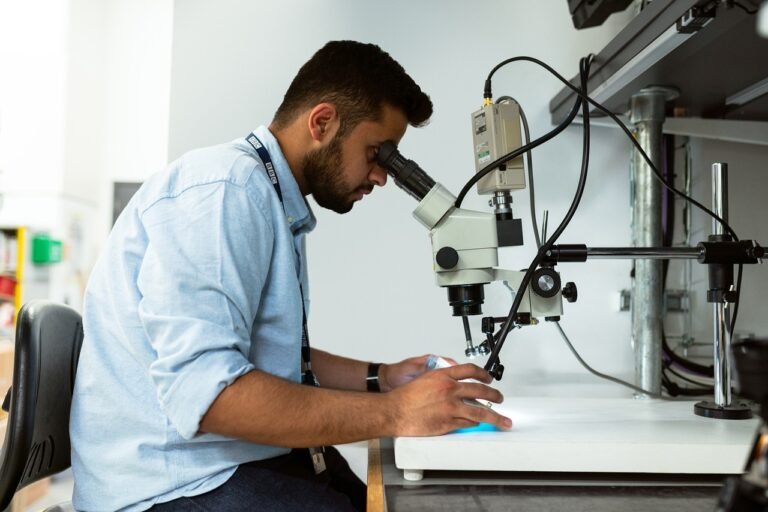

Medical research has entered a new era of innovation and discovery. Over the past decade, scientists and healthcare professionals have made remarkable progress in understanding diseases and developing more effective ways to prevent and treat them. These advancements are transforming healthcare systems worldwide and improving the quality of life for millions of people.
With the support of new technologies, data analysis, and biotechnology, modern medicine is moving beyond traditional treatment methods. Instead of focusing only on curing diseases after they appear, researchers are now prioritizing early detection and prevention. This shift is helping healthcare providers manage health conditions more effectively and reduce the impact of serious illnesses.
The Growing Importance of Preventive Healthcare
Focus on Preventing Diseases Before They Start
One of the most important goals of recent medical research is disease prevention. Preventive healthcare focuses on identifying risk factors and stopping illnesses before they develop. Researchers are studying how lifestyle, genetics, and environmental factors influence human health.
Through regular health screenings, vaccination programs, and public health education, many diseases can now be detected or prevented at an early stage. Early intervention reduces treatment costs and increases the chances of successful recovery.
Health Monitoring and Lifestyle Awareness
Modern research also highlights the importance of healthy habits. Medical experts encourage balanced nutrition, regular physical activity, stress management, and adequate sleep to reduce the risk of chronic diseases such as diabetes, heart disease, and obesity. Preventive care empowers individuals to take responsibility for their own health.
Innovations in Medical Technology
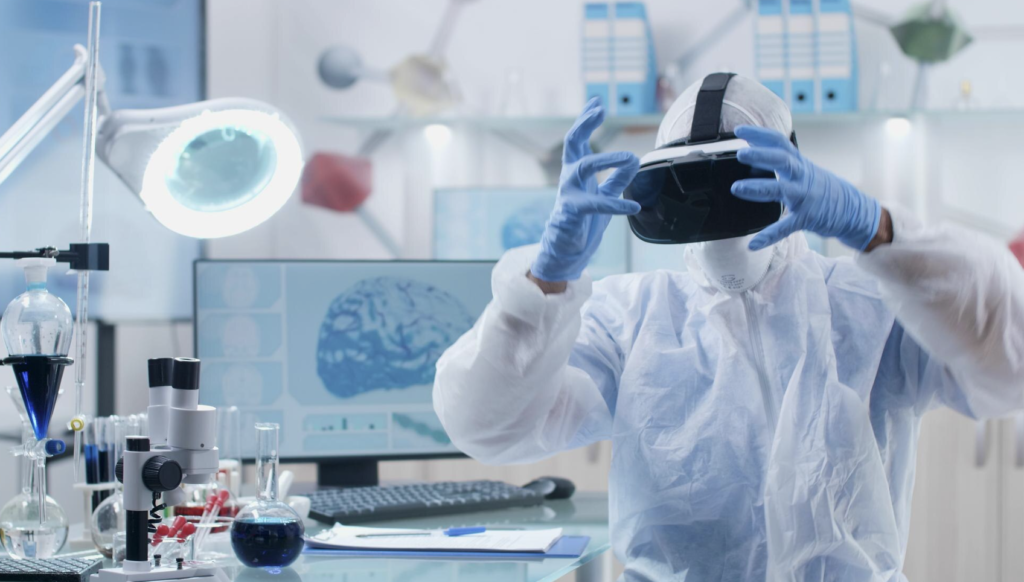
Artificial Intelligence Supporting Healthcare
Artificial intelligence has become a valuable tool in modern medicine. AI systems are capable of analyzing complex medical data and identifying patterns that may not be easily noticed by humans. These systems assist doctors in diagnosing diseases more quickly and accurately.
For example, AI can analyze medical images to detect early signs of conditions such as cancer or lung disease. Early detection allows doctors to begin treatment sooner, which significantly improves patient outcomes.
Advanced Medical Imaging and Diagnostics
Modern diagnostic tools have become more precise and reliable. Technologies such as high resolution imaging, digital pathology, and molecular testing allow doctors to identify diseases with greater accuracy. These innovations make it easier to diagnose conditions at earlier stages when treatment is more effective.
Improved diagnostic technology also reduces the chances of misdiagnosis and helps healthcare professionals make better clinical decisions.
Breakthroughs in Drug Development
Faster and More Targeted Medications
Medical researchers are developing new medications designed to target specific causes of diseases. Unlike traditional drugs that affect the entire body, targeted therapies focus on particular cells or biological pathways. This approach increases treatment effectiveness while reducing unwanted side effects.
Advances in biotechnology have also accelerated the drug development process. Researchers can now study disease mechanisms at the molecular level, which helps them design more precise treatments.
Innovative Vaccine Research
Vaccines continue to play a crucial role in disease prevention. Recent research has improved the speed and efficiency of vaccine development. New vaccine technologies are helping scientists create stronger immune responses against infectious diseases.
These innovations are not only protecting communities from existing diseases but are also preparing healthcare systems to respond quickly to future health threats.
Regenerative Medicine and Future Therapies
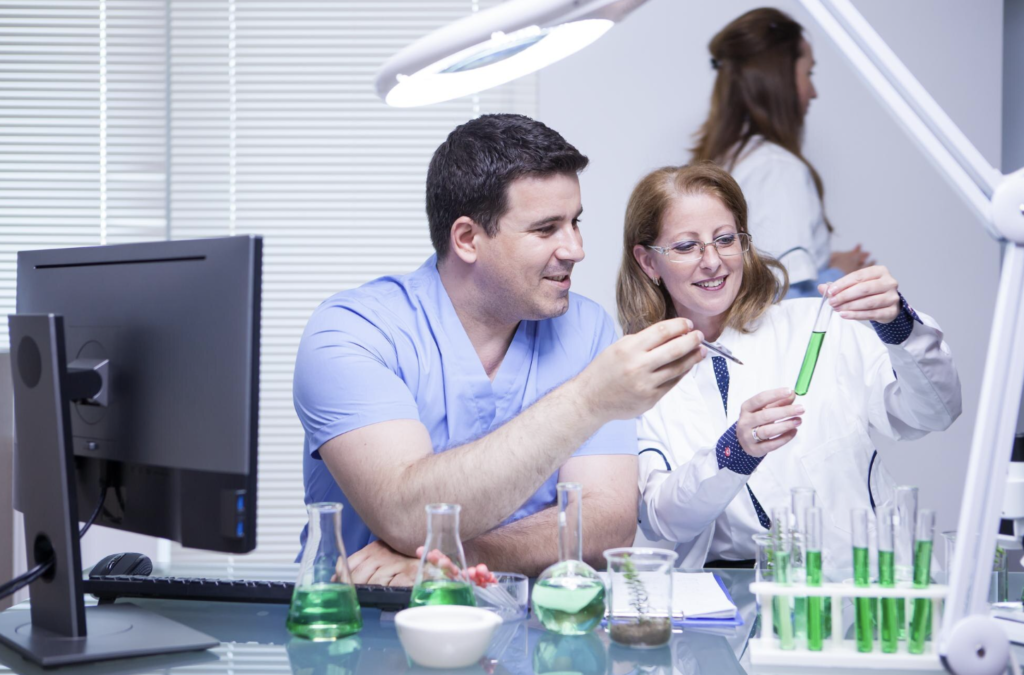
Using Stem Cells to Repair the Body
Regenerative medicine is opening new possibilities for treating complex medical conditions. Scientists are studying stem cells, which have the ability to develop into different types of cells in the body. These cells can potentially repair damaged tissues and restore lost functions.
Researchers are exploring stem cell therapy for conditions such as spinal cord injuries, heart disease, and neurological disorders. Although this field is still developing, early results show promising potential for the future.
The Possibility of Lab‑Grown Organs
Another exciting area of research is tissue engineering. Scientists are experimenting with growing human tissues in laboratories and using technologies like 3D bioprinting to create organ structures. In the future, this innovation could help address the shortage of organ donors and provide life saving treatments for patients waiting for transplants.
Digital Health and Remote Medical Care
Telemedicine Expanding Healthcare Access
Digital health platforms have made healthcare more accessible than ever before. Telemedicine allows patients to communicate with doctors through video calls and online consultations. This technology is especially beneficial for people living in remote or rural areas where healthcare services may be limited.
Telemedicine also reduces waiting times and allows patients to receive medical advice without traveling long distances.
Data Driven Medical Research
Medical research is increasingly relying on large datasets to understand disease patterns and treatment outcomes. By studying patient data from different regions and populations, researchers can identify trends and develop better prevention strategies.
Data driven insights also help healthcare providers improve patient care and create more effective treatment guidelines.
Conclusion
Recent medical research is transforming the way diseases are prevented and treated. Innovations in technology, drug development, regenerative medicine, and digital healthcare are shaping a more advanced and efficient healthcare system. These breakthroughs allow doctors to diagnose diseases earlier, develop more targeted treatments, and improve patient care.
As scientific knowledge continues to expand, the future of medicine will focus even more on prevention, precision treatment, and accessible healthcare services. With continued research and global collaboration, modern medicine will continue to improve the health and well being of people around the world.