
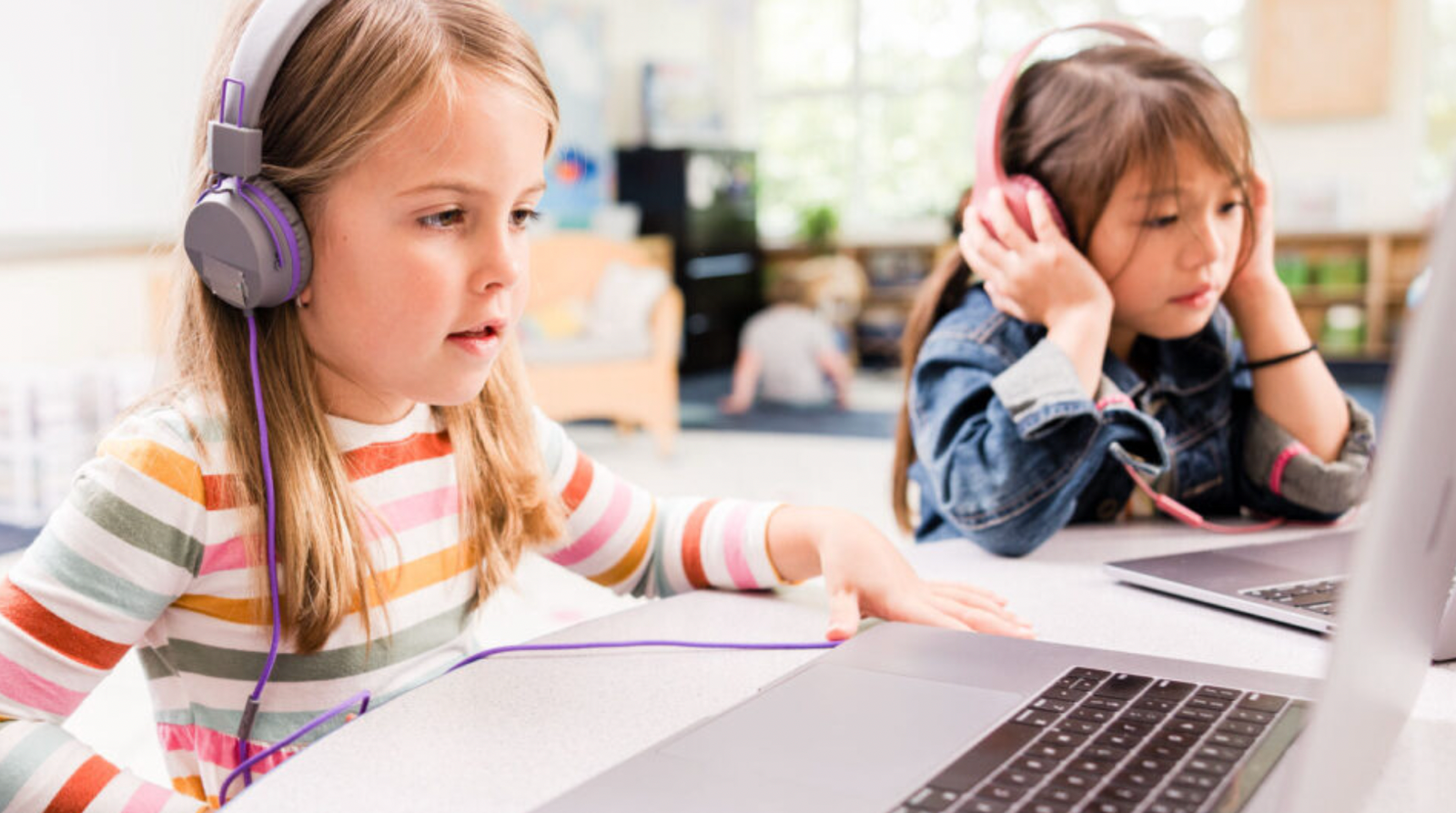
Artificial intelligence in education is reshaping classrooms across the globe. Schools are now using intelligent systems to support teaching and learning. These tools help students receive tailored lessons that match their needs. As a result, education becomes more efficient and engaging. Students can learn at their own pace, and teachers can focus more on teaching creatively.
Role of AI in Personalized Learning
AI makes learning more personal and adaptive. Smart platforms analyze students’ progress and adjust lessons automatically. This means learners receive content that fits their skill level. Therefore, students stay motivated and understand concepts better. Personalized learning also helps reduce knowledge gaps and improves overall academic performance.
Key benefits of personalized learning
- Custom learning plans
- Higher student engagement
- Improved understanding
- Better academic results
AI-Powered Virtual Tutors
Virtual tutors provide immediate help when students need it most. These AI systems can answer questions and explain difficult topics quickly. They are available at any time, which makes learning more flexible. As a result, students feel more confident and independent in their studies.
Advantages of virtual tutors
- 24/7 support
- Instant explanations
- Reliable learning assistance
- Better self-study outcomes
Automated Grading and Assessment
AI simplifies grading and assessment for teachers. Automated systems can evaluate assignments and provide instant feedback. This saves time and reduces teacher workload. Teachers can then spend more time on classroom interaction and lesson improvement.
Features of AI-based assessment
- Fast grading
- Objective evaluation
- Real-time feedback
- Easy performance tracking
Artificial Intelligence for Teachers
AI tools help teachers plan lessons and manage classrooms more efficiently. They provide data on student performance and learning patterns. This helps teachers identify weak areas and adjust teaching strategies. As a result, teaching becomes more focused and effective.
Benefits for educators
- Reduced administrative tasks
- Data-driven teaching
- Better classroom management
- Improved student support
Inclusive Education with AI
Artificial intelligence supports inclusive education by assisting students with special needs. Tools like speech recognition and text-to-speech improve accessibility. Translation tools also help students from different language backgrounds. This creates a more equal learning environment for all students.
AI tools for inclusion
- Speech-to-text software
- Language translation tools
- Assistive learning devices
- Accessibility-focused platforms
AI in Online and Remote Learning
AI is crucial for improving online education quality. It tracks student engagement and helps teachers understand learning progress remotely. This allows instructors to intervene when students struggle. As a result, online learning becomes more effective and reliable.
Key uses in online learning
- Engagement tracking
- Smart lesson delivery
- Attendance monitoring
- Progress analysis
Future of Artificial Intelligence in Education
Artificial intelligence will continue to influence future education systems. Learning will become more interactive, adaptive, and technology-driven. AI will also support smarter curriculum planning and better student outcomes. This will help education systems evolve globally.
Conclusion
Artificial intelligence in education is changing how students learn and how teachers teach. It makes learning more personalized, efficient, and accessible. Students gain instant support, while teachers receive valuable insights. Overall, AI is creating a smarter and more inclusive education system for the future.