
Have you ever noticed how you remember things better when you actually do them instead of just reading or hearing about them? That’s the heart of Experiential learning. It’s learning through experience, real actions, real situations, and real reflections. Instead of sitting back and memorizing facts, you step in, try things out, make mistakes, and grow from them. Think of it like learning to ride a bicycle: no book can replace the moment you finally balance and pedal on your own.
1. What Is Experiential Learning?
Experiential learning is a way of learning where knowledge comes from direct experience. Instead of only listening or reading, learners actively participate in tasks and then reflect on what happened. This process helps ideas stick because learning feels real and meaningful.
2. Why Experiential Learning Matters
Why does this approach matter so much today? Because life doesn’t come with multiple-choice questions. Real situations are messy and unpredictable. Experiential learning prepares people to think, adapt, and solve problems in real life, not just on paper.
3. The Core Principles of Experiential Learning
At its core, Experiential learning is built on a few key ideas:
- Experience: You do something hands-on.
- Reflection: You think about what happened.
- Learning: You understand what worked and what didn’t.
- Application: You use that learning next time.
4. Learning by Doing: A Simple Explanation
Imagine learning to cook by watching videos only. You might know the steps, but until you burn a dish or fix a mistake, you won’t truly learn. Experiential learning is like stepping into the kitchen and cooking for yourself, mistakes and all.
5. Experiential Learning vs Traditional Learning
Traditional learning often focuses on lectures and textbooks. Experiential learning, on the other hand, puts the learner at the center. One isn’t better than the other, but experiential methods add depth by connecting theory to real-life practice.
6. Everyday Examples of Experiential Learning
You experience this type of learning every day:
- Learning to drive by actually driving.
- Improving communication through conversations.
- Learning gardening by planting and caring for plants.
These real moments turn experiences into lessons.
7. Experiential Learning in Schools
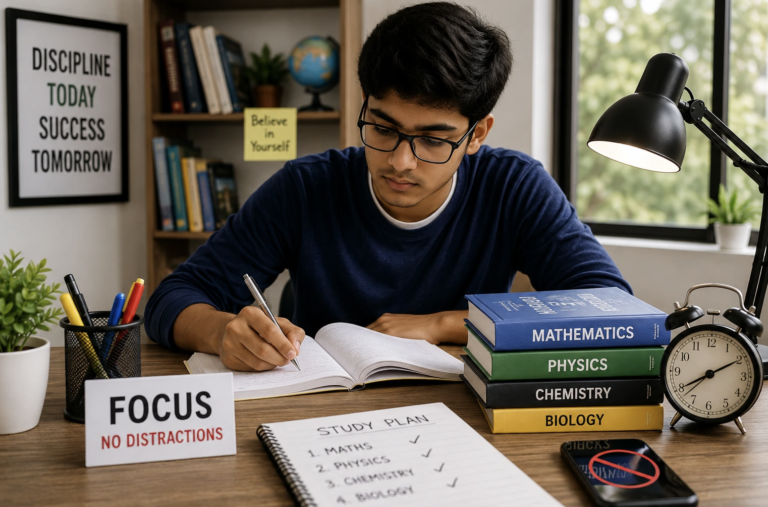
Schools use Experiential learning through projects, group activities, science experiments, and field trips. These activities help students understand concepts better and stay engaged, making learning more enjoyable.
8. Experiential Learning in the Workplace
In the workplace, Experiential learning happens through internships, job rotations, simulations, and on-the-job training. Employees learn faster when they solve real problems instead of just attending meetings or reading manuals.
9. The Role of Reflection
Reflection is the quiet moment after action. It’s when you ask yourself, What did I learn? Without reflection, experience is just activity. With reflection, experience becomes Experiential learning.
10. Benefits of Experiential Learning
Some key benefits include:
- Better understanding
- Stronger problem-solving skills
- Higher confidence
- Long-lasting knowledge
Learning sticks because it’s connected to real feelings and actions.
11. Challenges and Limitations
While powerful, Experiential learning can take more time and planning. Not every topic fits hands-on learning, and sometimes guidance is needed to avoid confusion or frustration.
12. How Technology Supports Experiential Learning
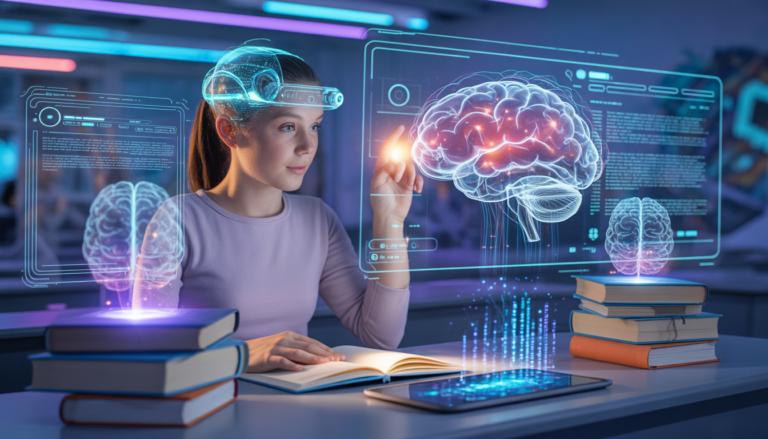
Technology enhances Experiential learning through virtual simulations, online projects, and interactive tools. These tools allow people to practice skills in safe and controlled environments.
13. Experiential Learning for Personal Growth
Beyond school and work, Experiential learning helps personal development. Traveling, volunteering, and trying new hobbies all teach lessons no classroom can provide.
14. How to Practice Experiential Learning Daily
You can practice Experiential learning by:
- Trying new skills
- Reflecting on daily experiences
- Learning from mistakes
- Asking questions after every experience
15. The Future of Experiential Learning
As the world changes, Experiential learning will grow even more important. People need adaptable skills, and learning through experience prepares them for unknown challenges ahead.
Conclusion
In simple words, Experiential learning is about learning from life itself. It turns experiences into teachers and mistakes into lessons. Whether in school, work, or daily life, learning by doing helps us grow faster, think deeper, and remember longer.