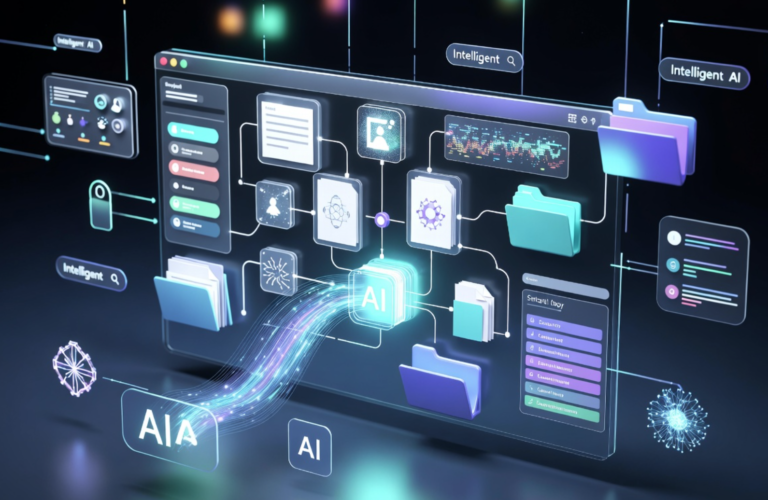

Software stands at the core of the modern digital ecosystem, enabling businesses, institutions, and individuals to operate efficiently in an increasingly connected world. From enterprise-grade platforms to everyday mobile applications, software solutions define how data is processed, decisions are made, and services are delivered. We explore software as a foundational technological asset, detailing its types, development lifecycle, real-world applications, security considerations, and future evolution.
What Software Represents in Modern Computing
Software refers to a structured set of instructions, data, and programs designed to perform specific tasks on computing devices. Unlike hardware, software is intangible yet indispensable. It transforms raw hardware capability into functional systems capable of communication, automation, analytics, and innovation. Every digital interaction, whether sending an email, managing finances, or operating industrial machinery, depends on reliable and optimized software.
Primary Categories of Software
System Software
System software forms the operational backbone of computing devices. It manages hardware resources and provides a stable platform for application execution. Operating systems such as Windows, Linux, macOS, and Android coordinate memory usage, process scheduling, file systems, and device drivers. Without system software, hardware components remain unusable and disconnected.
Application Software
Application software is designed to address user-specific needs. This category includes productivity tools, graphic design software, accounting systems, communication platforms, and entertainment applications. Examples include word processors, spreadsheet tools, video editing software, customer relationship management (CRM) systems, and enterprise resource planning (ERP) platforms. These solutions directly enhance efficiency, creativity, and collaboration.
Programming and Development Software
Programming software empowers developers to build, test, and maintain other software products. This includes integrated development environments (IDEs), compilers, debuggers, and version control systems. Languages such as Python, Java, C++, and JavaScript form the foundation of modern development, enabling scalable and secure applications across platforms.
The Software Development Lifecycle (SDLC)
Requirement Analysis and Planning
Effective software begins with precise requirement gathering. We analyze business goals, technical constraints, and user expectations to define a clear roadmap. Accurate planning minimizes risks, reduces costs, and ensures alignment with long-term objectives.
Design and Architecture
During the design phase, system architecture, user interfaces, data models, and integration points are defined. Well-structured software architecture enhances scalability, performance, and maintainability while reducing technical debt.
Development and Implementation
This phase involves writing clean, efficient, and secure code using appropriate frameworks and programming languages. Development teams follow structured methodologies such as Agile, Scrum, or DevOps to ensure iterative progress and rapid adaptability.
Testing and Quality Assurance
Rigorous testing validates functionality, performance, security, and usability. Unit testing, integration testing, system testing, and user acceptance testing ensure software reliability before deployment.
Deployment and Maintenance
Once released, software requires continuous monitoring, updates, and optimization. Maintenance addresses bug fixes, security patches, and feature enhancements to keep systems relevant and resilient.
Business Applications of Software
Enterprise Software Solutions
Modern enterprises rely on business software to streamline operations, manage resources, and analyze performance. Tools such as ERP, HR management systems, and financial accounting software centralize data and improve decision-making accuracy.
Cloud-Based Software Platforms
Cloud software enables on-demand access to computing resources without physical infrastructure. Solutions delivered through Software as a Service (SaaS) models offer scalability, cost efficiency, and global accessibility. Popular cloud platforms support collaboration, data storage, analytics, and cybersecurity.
Industry-Specific Software
Specialized software addresses sector-specific requirements in healthcare, education, finance, manufacturing, and logistics. Examples include electronic health record systems, learning management systems, trading platforms, and supply chain management software.
Software Security and Data Protection
Importance of Secure Software Design
Security is integral to software credibility. Vulnerabilities expose systems to data breaches, financial loss, and reputational damage. Secure coding practices, encryption, authentication protocols, and access controls are essential safeguards.
Compliance and Regulatory Standards
Software solutions must adhere to international standards and regulations governing data privacy and security. Compliance with frameworks such as ISO standards, GDPR, and industry-specific regulations ensures legal integrity and user trust.
Emerging Trends in Software Development
Artificial Intelligence and Machine Learning Integration
AI-powered software enhances automation, predictive analytics, and intelligent decision-making. Machine learning algorithms enable systems to adapt, learn, and optimize performance over time, redefining user experiences.
Low-Code and No-Code Platforms
Low-code software development accelerates application creation by reducing reliance on manual coding. These platforms empower businesses to deploy solutions rapidly while maintaining customization flexibility.
Cross-Platform and Mobile-First Software
Modern software prioritizes cross-platform compatibility and mobile accessibility. Responsive design and unified codebases ensure consistent performance across desktops, tablets, and smartphones.
Open-Source Software Ecosystems
Open-source software promotes transparency, collaboration, and innovation. Organizations leverage open-source frameworks to reduce costs, enhance security auditing, and accelerate development cycles.
Selecting the Right Software Solution
Choosing the appropriate software requires evaluation of functionality, scalability, security, integration capability, and long-term support. We prioritize solutions that align with operational goals, user needs, and future growth strategies.
Conclusion: The Strategic Value of Software
Software is more than a technological tool; it is a strategic asset driving efficiency, innovation, and competitiveness. As digital transformation accelerates, high-quality software solutions will continue to define organizational success and technological leadership. By understanding software fundamentals, development practices, and emerging trends, we position ourselves to leverage technology effectively in a rapidly evolving digital landscape.