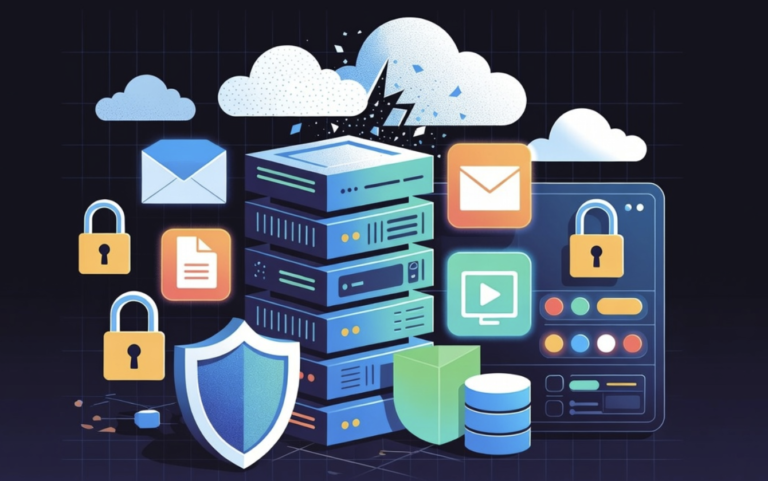

Computers are more connected than ever, but that also means they are exposed to more online threats. Whether you’re checking emails, downloading files, shopping online, or simply browsing social media, malware can find its way onto your device in seconds. Many people assume that only expensive antivirus software can keep them safe. The truth is different.
Today, some of the top free antivirus programs of 2026 offer excellent protection for everyday users. While premium security suites still provide extra features like VPNs, password managers, and identity monitoring, many free antivirus programs now include strong real-time malware protection that is more than enough for most home users.
The challenge isn’t finding a free antivirus. There are dozens available. The real challenge is choosing one that actually protects your computer without slowing it down, flooding you with ads, or constantly asking you to upgrade.
This guide explains the top free antivirus programs of 2026, compares their strengths and weaknesses, and helps you decide which one fits your needs. Whether you use Windows every day for work, school, gaming, or personal browsing, you’ll find a solution that offers solid protection without costing anything.
Why You Still Need Antivirus Software in 2026
Many people believe Windows Defender alone is enough because Microsoft has improved it significantly over the past few years. While Windows Security has become much better, cybercriminals have also become smarter.
Today’s cyber dangers go beyond simple viruses, posing more complex and evolving threats. Today, attackers use ransomware, phishing emails, spyware, malicious browser extensions, fake software updates, cryptocurrency miners, and AI-generated scams to infect devices.
Imagine downloading what looks like a free PDF editor from an unknown website. Instead of installing useful software, it secretly installs malware that steals your saved passwords. Without good antivirus protection, you may not even notice until your online accounts are compromised.
Free antivirus software acts as a first line of defense by scanning downloaded files, monitoring suspicious behavior, blocking dangerous websites, and stopping malware before it can damage your computer.
For most users who browse responsibly, a high-quality free antivirus provides excellent everyday security.
What Makes a Good Free Antivirus?
Not all free antivirus programs are created equal. Some provide excellent protection, while others offer very limited features or display constant upgrade advertisements.
Here are the qualities worth looking for before installing any antivirus.
Strong Malware Detection
The primary job of antivirus software is identifying and removing threats. Independent testing organizations regularly evaluate antivirus products by exposing them to thousands of new malware samples.
A good antivirus should consistently detect viruses, ransomware, spyware, trojans, and potentially unwanted applications.
Real-Time Protection
Real-time scanning monitors files as they are opened, downloaded, or copied. This prevents malware from running before it infects your computer.
Without real-time protection, malware may execute before a manual scan ever finds it.
Low System Impact
Some antivirus programs use too many system resources.
If your PC becomes noticeably slower during normal use or gaming, the antivirus may be consuming excessive CPU or memory.
The best free antivirus software runs quietly in the background while maintaining good performance.
Frequent Security Updates
Cyber threats evolve daily.
Reliable antivirus software updates its virus database multiple times every day to recognize newly discovered threats.
Easy-to-Use Interface
Security software shouldn’t require technical knowledge.
Beginners should easily understand scan options, quarantine settings, and security alerts without confusion.
Best Free Antivirus Software in 2026
Microsoft Defender Antivirus
Microsoft Defender comes pre-installed with Windows 11 and Windows 10, making it the easiest antivirus solution for most users.
Over the last several years, Microsoft has invested heavily in improving its built-in security. Defender now offers real-time virus protection, ransomware protection, firewall integration, cloud-based malware detection, and regular automatic updates through Windows Update.
One of its biggest advantages is that it works immediately after Windows installation without requiring additional downloads.
Pros
- Built into Windows
- No advertisements
- Excellent malware detection
- Lightweight performance
- Automatic updates
Cons
- Limited advanced features
- Fewer customization options than some competitors
Best for:
Everyday Windows users who want reliable security with zero setup.
Avast Free Antivirus
Avast has remained one of the most recognizable names in antivirus software for many years.
Its free version offers strong malware detection, ransomware protection, web threat detection, Wi-Fi network scanning, and smart behavior monitoring that detects suspicious applications before they become dangerous.
The software also provides detailed security reports that help users understand potential vulnerabilities.
While Avast occasionally promotes its premium version, the core protection remains impressive.
Pros
- Excellent malware protection
- Wi-Fi security scanner
- Smart behavioral analysis
- Easy interface
Cons
- Upgrade advertisements
- Some premium features locked
Best for:
Users wanting extra security tools without paying.
AVG AntiVirus Free
AVG shares the same security engine as Avast but presents a cleaner interface that many beginners prefer.
The free version includes real-time malware protection, email scanning, malicious download detection, and protection against phishing websites.
One useful feature is its automatic detection of suspicious behavior rather than relying only on known virus signatures.
This helps identify newly emerging threats.
Pros
- Excellent malware detection
- Beginner-friendly interface
- Email protection
- Fast scans
Cons
- Frequent premium upgrade prompts
Best for:
Home users who want reliable protection with minimal complexity.
Bitdefender Antivirus Free
Bitdefender consistently ranks among the highest-performing antivirus solutions in independent testing.
Its free version focuses on simplicity.
Instead of offering dozens of extra tools, Bitdefender concentrates on malware detection, phishing protection, cloud scanning, and automatic threat removal.
The result is a lightweight antivirus that quietly protects your computer without interrupting your work.
Pros
- Outstanding malware detection
- Very light system usage
- Automatic threat handling
- Excellent phishing protection
Cons
- Fewer advanced settings
Best for:
Many users want security solutions that they can set up once and then forget about, trusting them to do the work.
Avira Free Security
Avira offers more than traditional antivirus.
Its free package includes malware protection, software updates, browser safety tools, password management, and limited VPN access.
While some features require premium subscriptions, the antivirus engine itself remains highly respected.
The software is especially attractive for users wanting several security tools inside one application.
Pros
- Strong virus detection
- Software updater
- Password manager
- Free VPN allowance
Cons
- Limited VPN data
- Several premium upgrade prompts
Best for:
Users wanting multiple free security utilities.
Malwarebytes Free
Malwarebytes works differently from traditional antivirus software.
Its free version focuses on removing malware after infection rather than providing continuous real-time protection.
Many security professionals recommend keeping Malwarebytes installed alongside another antivirus for occasional second-opinion scans.
It is especially effective at detecting potentially unwanted programs, adware, browser hijackers, and stubborn malware that other antivirus solutions sometimes miss.
Pros
- Excellent malware removal
- Fast scanning
- Great second opinion scanner
Cons
- No real-time protection in free version
Best for:
Manual malware removal and backup scanning.
Free Antivirus vs Paid Antivirus
Many users ask whether free antivirus is enough.
The answer depends on how you use your computer.
If you mainly browse trusted websites, stream videos, shop online, and check email, free antivirus usually provides enough protection.
However, premium antivirus becomes valuable if you:
- Frequently download software from unknown sources
- Handle sensitive financial information
- Manage business devices
- Need identity theft monitoring
- Want parental controls
- Require unlimited VPN access
- Need password management
For average home users, paying for premium software isn’t always necessary.
Real-World Example: How Free Antivirus Prevents an Attack
Consider Sarah, a university student.
She receives an email claiming her professor shared lecture notes. The attachment looks legitimate, but it’s actually ransomware disguised as a PDF file.
As soon as she downloads the file, her antivirus detects suspicious behavior, quarantines the file, and prevents it from opening.
Without antivirus protection, the ransomware could have encrypted years of assignments, photos, and personal documents.
This simple example shows why real-time protection matters.
Common Mistakes People Make
Even the best antivirus software cannot protect users from every mistake.
Some common habits increase the risk of infection.
Ignoring Software Updates
Old software often contains security vulnerabilities.
Always update Windows, browsers, and installed applications.
Downloading Cracked Software
Pirated software remains one of the largest sources of malware infections.
The “free” program often installs spyware or ransomware in the background.
Clicking Unknown Links
Phishing attacks continue to trick millions of users every year.
Always verify emails before opening attachments or clicking links.
Installing Multiple Antivirus Programs
Running two real-time antivirus programs together may slow your computer and create software conflicts.
Choose one primary antivirus.
How to Choose the Right Free Antivirus
The best antivirus depends on your priorities.
If you want something already installed, Microsoft Defender is a great choice.
If malware detection is your highest priority, Bitdefender consistently performs exceptionally well.
If you prefer additional security tools like Wi-Fi scanning, Avast offers useful extras.
If you need a second malware scanner, Malwarebytes complements your existing antivirus.
If you enjoy having password management and software updates in one place, Avira provides excellent value.
The good news is that all of these options provide far better protection than running no antivirus at all.
Additional Tips to Stay Safe Online
Antivirus software is only one part of cybersecurity. Good habits are just as important.
- Use strong and unique passwords for every account.
- Enable two-factor authentication whenever available.
- Keep Windows and applications updated.
- Back up important files regularly using cloud storage or an external drive.
- Avoid downloading software from unofficial websites.
- Check website addresses carefully before entering passwords.
- Be cautious of urgent emails asking for personal information.
- Scan USB drives before opening files.
Combining these habits with quality antivirus software dramatically reduces your chances of infection.
External Resource
For independent antivirus testing and security comparisons, visit AV-Test:
https://www.av-test.org/
Conclusion
Finding the best free antivirus software in 2026 is easier than many people think. Several trusted companies now offer free protection that rivals paid products in malware detection and everyday security.
Microsoft Defender remains an excellent built-in choice for Windows users, while Bitdefender, Avast, AVG, Avira, and Malwarebytes each offer unique advantages depending on your needs.
Remember that antivirus software alone isn’t enough. Safe browsing habits, regular software updates, strong passwords, and reliable backups all work together to create a much stronger defense against cyber threats.
Instead of asking whether free antivirus is “good enough,” the better question is whether you’re using it correctly. When combined with smart online behavior, today’s best free antivirus software provides impressive protection without costing a single dollar.
Frequently Asked Questions
1. What is the best free antivirus software in 2026?
Microsoft Defender, Bitdefender Free, Avast Free Antivirus, AVG AntiVirus Free, and Avira Free Security are among the best free antivirus software options in 2026. Each offers strong malware protection, but the right choice depends on your needs and preferred features.
2. Is free antivirus software safe to use?
Yes. Reputable antivirus programs from trusted companies are safe to use and provide effective protection against viruses, ransomware, spyware, and phishing attacks. Always download antivirus software from the official website.
3. Is Microsoft Defender enough for Windows 11?
For most home users, Microsoft Defender provides excellent built-in protection. Combined with safe browsing habits and regular updates, it offers strong everyday security without requiring additional software.
4. Can free antivirus remove existing malware?
Yes. Most free antivirus programs can detect and remove many types of malware. However, some advanced infections may require specialized malware removal tools such as Malwarebytes.
5. Does antivirus slow down a computer?
Modern antivirus software has become much lighter than older versions. Products like Bitdefender Free and Microsoft Defender have minimal impact on system performance during normal use.
6. Should I install more than one antivirus?
No. Running multiple real-time antivirus programs can cause conflicts and reduce system performance. Install one primary antivirus and, if needed, use Malwarebytes as an on-demand scanner.
7. Can antivirus protect against ransomware?
Many free antivirus programs include ransomware detection and behavioral monitoring. However, keeping backups of important files is still essential because no antivirus can guarantee 100% protection.
8. How often should I scan my computer?
Most antivirus programs scan files automatically in real time. Running a full system scan once a week is a good practice to ensure your computer remains clean and secure.