
What Is Skill Development (and Why It Matters)?
Skill development means improving your abilities so that you can perform tasks more effectively. These skills can be technical, social, or even mental — all helping you grow both personally and professionally.
In simple words, skill development is the process of learning how to do something better. Just like exercising builds your muscles, learning new skills strengthens your confidence and opportunities.
🌱 Example: Ali, a teacher, learned data analytics online. Within a year, he applied his new skills in school management and later moved into an educational technology company. That’s the real power of skills — they open new doors.
👉 For a deeper look at global upskilling trends, check out this World Economic Forum Report on Skills for the Future.
Understanding the Types of Skills
Balanced skill development means focusing on three key areas: soft, hard, and cognitive skills.
Soft Skills – The Human Advantage
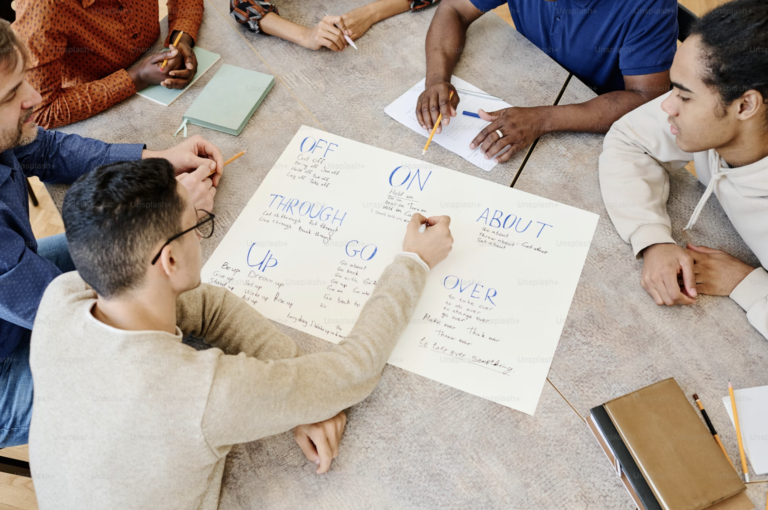
These are social and emotional abilities that help you work well with others. Examples: communication, teamwork, empathy, and adaptability.
💡 Example: A manager uses empathy to calm team conflict and motivate employees — this boosts overall performance.
Hard Skills – The Technical Foundation
These are teachable abilities that can be measured. Examples: programming, design, accounting, or using spreadsheets.
💡 Example: A chef who learns digital menu design attracts more customers online — a hard skill with real results.
Cognitive Skills – The Thinking Edge
These include creativity, logical thinking, and problem-solving. They help you make better decisions.
💡 Example: NASA trains astronauts with mental exercises to strengthen cognitive flexibility — vital during emergencies in space.
The Three Dimensions of Skill Development
- Professional Skills: Boost your job performance — like learning project management or data visualization.
- Personal Skills: Build confidence, time management, and emotional balance.
- Self-Development Skills: Focus on mindset — curiosity, lifelong learning, resilience.
Each dimension supports the others. A confident, self-aware person becomes a better professional — and vice versa.
The Five Stages of Skill Development (Based on the Dreyfus Model)
Learning any skill usually goes through five stages:
- Novice: You follow instructions closely.
- Advanced Beginner: You start noticing small patterns.
- Competent: You can manage tasks with some planning.
- Proficient: You make quick, accurate decisions.
- Expert: You act naturally, mastering that skill.
💡 Example: When learning to drive, you start as a novice memorizing steps, later becoming a confident driver who doesn’t think about every move.
Modern Strategies for Building Skills
1. Identify Your Strengths and Skill Gaps
Make a list of what you’re good at and areas to improve. You can use tools like SWOT analysis or career skill assessments on LinkedIn Learning.
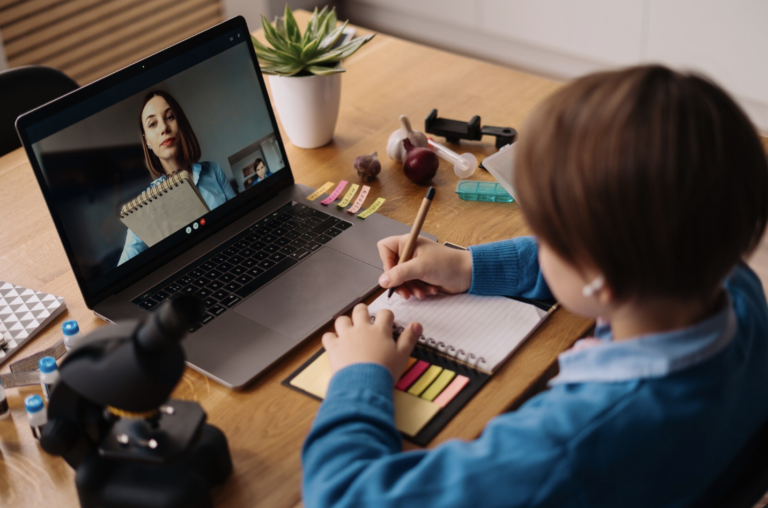
2. Learn Smart – Use E-Learning and Microlearning
Use modern tools like Coursera, Udemy, or YouTube tutorials for quick, flexible learning.
💡 Example: A student learns digital marketing through short weekly online lessons and lands a freelance project.
3. Seek Mentorship and Real-World Projects
Learning from mentors gives you real insights. Internships, volunteering, or side projects help you practice real-world problem-solving.
4. Learn While Doing (On-the-Job Growth)
Take initiative at work — ask for new responsibilities, shadow senior colleagues, or join new projects.
5. Reflect and Refine
Set monthly goals, note new lessons, and keep refining your skills through feedback and reflection. Journaling your learning journey builds clarity.
Leadership Skill Development: Rising Beyond Technical Know-How

Leadership isn’t just about managing people — it’s about guiding them through change and inspiring progress.
Core Leadership Qualities
- Communication
- Integrity
- Empathy
- Decision-making
- Accountability
💡 Example: Microsoft’s CEO Satya Nadella focused on empathy and a growth mindset. Under his leadership, Microsoft transformed from a product-focused to a people-focused culture.
Role of Technology in Skill Development
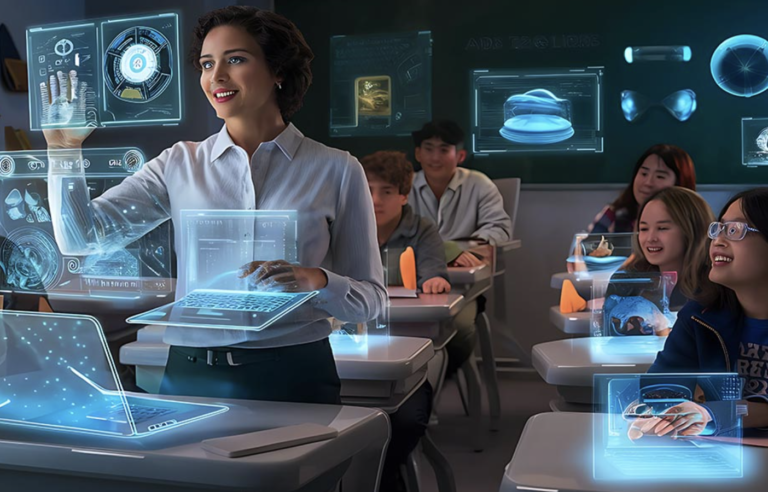
Technology has made learning available to everyone:
- AI and Gamified Learning: Platforms such as Duolingo and Coursera personalize lessons using artificial intelligence, adjusting content according to your learning progress.
- Virtual Reality (VR): Used in pilot and surgical training for realistic simulations.
- Online Communities: Join groups on Reddit or Quora to share and learn from peers globally.
💡 Example: Airline pilots use flight simulators — a perfect blend of technology and experiential learning
Measuring and Prioritizing Skill Development
Apply the SMART goal framework, which stands for Specific, Measurable, Achievable, Relevant, and Time-bound, to plan and track your skill development effectively.
For 2024, the top priority skills are:
- Adaptability
- Digital Literacy
- Empathy
Track progress every quarter and celebrate small wins. Consistency beats intensity.
Why Skill Development Is Crucial
For Individuals
Enhances confidence, career opportunities, and problem-solving.
For Organizations
Improves productivity, innovation, and employee satisfaction.
For Communities
Encourages social growth, education, and collaboration.
🌍 Continuous learning creates progress not just for you, but for the entire society.
Final Takeaway: Lifelong Learning Is the Real Superpower
The world changes fast. Degrees fade — but skills stay relevant. Keep your curiosity alive, learn continuously, and remember: small consistent growth beats big occasional leaps.
FAQs
1. What is the main goal of skill development?
To enable individuals to work more efficiently, adapt quickly, and remain competitive in both their personal and professional growth.
2. How long does it take to develop a new skill?
It depends on the skill and consistency. Practicing 15–30 minutes daily can build solid progress within a few months.
3. What are examples of modern job skills?
Digital literacy, data analysis, time management, adaptability, creativity, and emotional intelligence.
4. Why are soft skills important?
Soft skills such as teamwork and communication help build better relationships and improve career success.
5. Can I learn any skill online for free?
Yes! Platforms like Coursera, edX, and Khan Academy offer free courses in multiple fields.