

Creating the illusion of a larger bedroom doesn’t start with paint or furniture, it starts with clarity. A clutter-free environment immediately opens up spatial perception. The trick? Edit ruthlessly yet thoughtfully.
Identify What Adds Value
Ask yourself: Does this object serve function or joy? Items that fail either test belong elsewhere. A clean floor and emptier surfaces create visual breathing room, amplifying the sense of expansion.
Use Hidden Storage Options
Invest in beds with under-skirt compartments, or sleek ottomans that tuck away miscellaneous items. Decorative baskets, minimalist nightstands, or wall-mounted shelves blend elegance with purpose.
2. Choose Light and Airy Color Palettes
Colors wield immense psychological power. Pale and neutral tones, like ivory, whisper grey, or soft beige, reflect light and evoke spacious calmness.
The Magic of Monochromatic Tones
A monochrome scheme, different shades of the same color, creates continuity. It eliminates visual fragmentation that can make a room feel cramped.
Accentuate Height with Vertical Color Flow
Paint walls, trims, and ceilings in gradients of the same hue. This seamless tonal flow tricks the eye upward, giving a ceiling’s heightier impression.
3. Use Mirrors to Multiply Space
Decorators swear by mirrors, and for good reason. Properly positioned, they can double visual space and light.
Strategic Mirror Placement Tips
Hang a full-length mirror opposite windows or behind bedside lamps. The reflected natural light lends your bedroom an effortless luminance.
Frame Styles That Reflect Sophistication
For a high-end edge, opt for thin metallic or frameless mirrors. Avoid ornate heavy frames, they dominate rather than expand the room.
4. Master Lighting Layers
Lighting isn’t just about visibility; it’s about atmosphere, rhythm, and emotion.
Ambient, Task, and Accent Lighting
Layering these three types adds depth. Ceiling fixtures illuminate generally; task lamps refine clarity; accent lighting breathes sophistication into corners.
Soft Glows for Spacious Appeal
Dimmable bulbs and warm LED strips can draw attention to architectural lines while maintaining serenity, a sure way to make any compact space feel luxe and roomy.
5. Maximize Floor Exposure
A visible floor equals a bigger room. Avoid bulky furniture that hides the baseboards.
Floating Furniture Illusion
Wall-mounted desks, shelves, or vanities free up floor space and lighten visual density.
Streamlined Bases That Open Visual Space
Sofas and beds on slender legs reveal flooring beneath, tricking the mind into perceiving openness.
6. Smart Furniture Scale and Layout
Your furniture’s scale can make or break spatial perception. Too large, and it dominates; too tiny, and it feels lost.
Proportional Design
Maintain balance with a few substantial pieces rather than scattering miniaturized accents. The goal? Organized flow, not visual chaos.
Multi-Functional Pieces for Compact Living
Ottomans with storage, convertible dressers, or folding desks help rooms flex between comfort and utility with high-end finesse.
7. Window Treatments That Breathe
Curtains are to windows what frames are to artwork, they define perception.
Floor-to-Ceiling Curtains
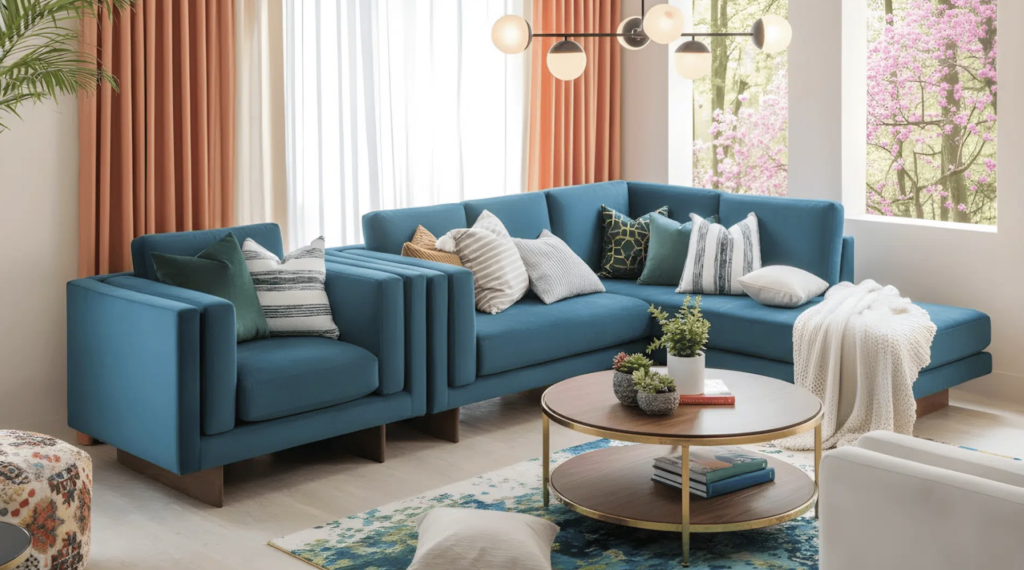
Hang drapes high and wide beyond the window’s edge. This elongates the wall and makes your bedroom look taller and brighter.
Transparent Materials for Natural Light
Sheer or linen fabrics invite sunlight, illuminating and softening the entire space with airy tranquility.
8. Simplify Texture and Visual Noise
Over-decoration visually shrinks rooms. Simplify but don’t sterilize.
Cohesive Surface Tones
Coordinate materials,such as brushed brass fixtures or oak furniture, to prevent disjointed contrast.
Subtle Patterns for Depth
If you love prints, stick to soft linear or tone-on-tone patterns. They whisper character without overwhelming.
9. Art and Accessories Placement
A well-curated art display adds sophistication and proportion.
Eye-Level Alignment for Balance
Place artwork at eye level to extend sight lines naturally. Group pieces closely for unity, spaced art can fragment focus.
Statement vs. Clutter
A single large statement piece beats five smaller ones. Negative space is elegant, it gives luxury room to breathe.
10. Add Reflective and Metallic Accents
High-end designs subtly bounce light around the room.
Glass, Chrome, and Soft Metallic Finishes
Look for metallic lamps, mirrored trays, or chrome furniture legs. These details add shimmer without clutter.
Layered Glow for Modern Opulence
Combine matte and gloss textures, brushed metal beside polished glass, to create refined, multidimensional brightness.
Conclusion
Making your bedroom look bigger doesn’t require swinging a hammer, just imagination, balance, and smart design. These high-end tricks blur physical limits through light, proportion, and finesse. With mindful choices, your bedroom evolves from cozy to luxurious, no renovation necessary.
Recommended Resource: For more design psychology techniques, check out Architectural Digest’s guide to interior illusion strategies.
FAQ’s
1. What’s the easiest way to make a small bedroom feel bigger?
Start by decluttering and using light colors. Simplicity opens up physical and visual space dramatically.
2. Should furniture always be small in small bedrooms?
Not necessarily. Balanced scale is key, fewer, properly sized pieces often look larger and more harmonious.
3. Are mirrors or lighting more effective for expansion?
They work beautifully together. Mirrors reflect light; lighting amplifies that reflection.
4. What color makes bedrooms seem airy?
Cool shades like soft white, pale gray, or muted blue expand perception and calm the mind.
5. How can curtains make my bedroom taller?
Hang them close to the ceiling and extend rods beyond window frames for an elongating effect.